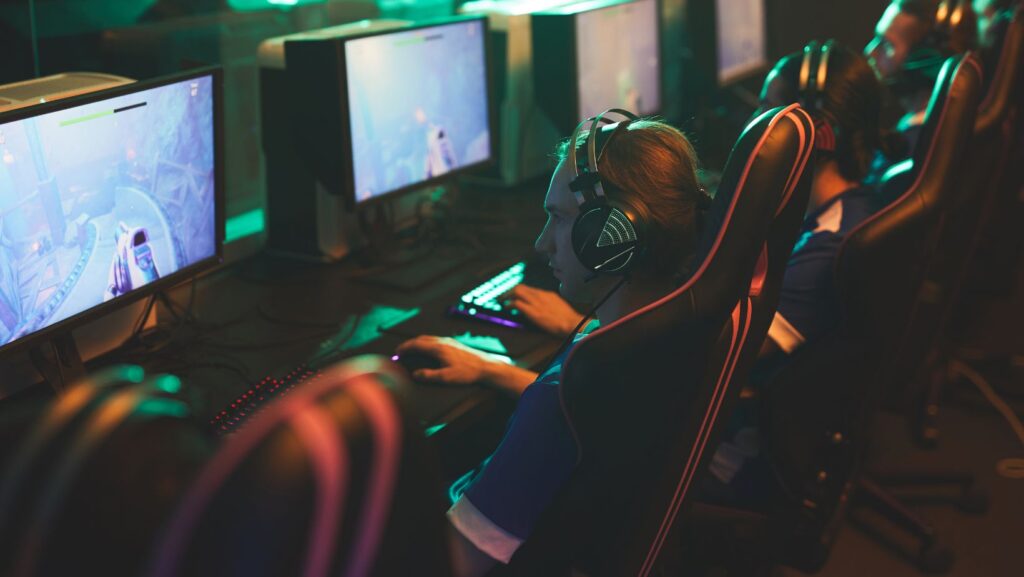
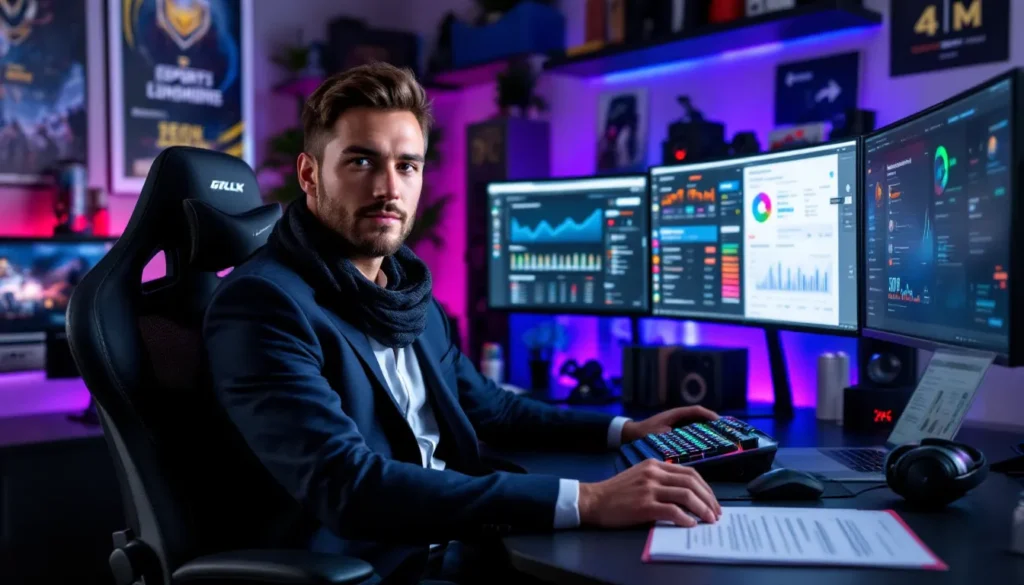
If you’ve been grinding in the gaming scene, whether streaming Valorant, running a YouTube channel, or competing in esports tournaments, you’ve probably wondered how to turn that passion into actual income. Gaming sponsorships are no longer reserved for the elite tier of pro players. In 2026, sponsorship opportunities span across PC gaming, console gaming, mobile platforms, and content creation, making it more accessible than ever for creators at every level to monetize their skills and audience. But landing that sponsorship deal isn’t just about having decent viewership numbers. It requires strategy, authenticity, and understanding what brands actually want from their gaming partnerships. This guide breaks down everything you need to know about gaming sponsorships, from identifying the right opportunities to pitching yourself like a pro.
Key Takeaways
- Gaming sponsorships now span PC, console, and mobile platforms, with opportunities available for creators at every level, from micro-creators earning $250–$1,000 monthly to large creators commanding $15,000+ per month.
- A clear niche, authentic engagement, and consistent content quality matter more than raw follower count—brands prioritize highly engaged audiences in specific niches over generic streamers with larger but passive viewerships.
- Successful sponsorship pitches require research, specific deliverables, audience metrics, and understanding brand alignment; generic mass emails rarely succeed compared to thoughtful, personalized proposals.
- Transparency about sponsorships is legally required and builds audience trust, while choosing sponsors that genuinely align with your brand and products ensures long-term credibility and sustainability.
- Common pitfalls like accepting lowball offers, over-promoting sponsors, ignoring contract terms, and burning bridges can undermine your sponsorship value and professional reputation.
- Hardware and game publisher sponsorships are the most accessible entry points, while mobile gaming represents the fastest-growing sponsorship segment with lower competition for creators.
What Are Gaming Sponsorships and Why They Matter
Understanding the Modern Gaming Sponsorship Landscape
Gaming sponsorships have evolved dramatically over the past five years. What started as simple product placements, a streamer mentioning their gaming headset mid-broadcast, has transformed into comprehensive brand partnerships. In 2026, sponsorships range from one-off collaborations lasting a few weeks to multi-year deals worth six figures.
A gaming sponsorship is essentially a financial or product-based agreement where a brand pays a content creator, esports team, or tournament organizer to promote their products or services. The brand gets exposure to a target audience: the creator gets payment, free gear, or both. The relationship can be transaction-based (one flat fee) or performance-based (payment tied to specific metrics like clicks or conversions).
The landscape now includes everything from energy drink partnerships to peripheral manufacturers, game publishers, and even financial services companies targeting the gaming demographic. Brands have realized that gamers are a lucrative, engaged audience that trusts recommendations from creators they follow.
Why Sponsorships Are Critical for Gaming Content Creators
For content creators, sponsorships represent a critical revenue stream beyond ad revenue and subscriptions. YouTube ad rates fluctuate, Twitch payouts can be unpredictable, and relying solely on viewer donations is unstable. Sponsorships provide consistent, predictable income.
Beyond the financial incentive, sponsorships enhance credibility. When a creator partners with an established brand, it signals to their audience that the creator has reached a level of influence worth investing in. It also opens doors to other opportunities, agents, management deals, and larger sponsorships often follow a successful initial partnership.
Also, sponsorships allow creators to align with products they genuinely use and believe in, which strengthens audience trust when handled authentically. A streamer who partners with a gaming chair they actually use and recommends builds authority in their niche. The competitive scene benefits too: esports teams rely on hardware sponsorships to afford top-tier equipment, while tournament organizers depend on brand partnerships to fund prize pools and production quality.
Types of Gaming Sponsorships Available Today
Hardware and Peripheral Sponsorships
Hardware sponsorships are among the most common and accessible for new creators. Brands like ASUS, Corsair, SteelSeries, and Logitech constantly seek creators to showcase their products. These deals typically include free products (gaming mice, keyboards, headsets, monitors, PCs) and a monthly stipend, usually ranging from $500 to $5,000+ depending on audience size.
What makes hardware sponsorships attractive: they’re low-risk for brands (they’re already selling the product) and genuinely useful for creators. A creator can honestly use the gear while on stream, and viewers get authentic recommendations.
Key hardware categories:
- Gaming mice and keyboards
- Headsets and audio equipment
- Monitors and displays
- Gaming chairs
- PCs and components
- Mobile devices and controllers
Game Publisher and Developer Deals
Game publishers sponsor creators to promote new releases or ongoing seasonal content. These sponsorships can be highly lucrative, especially for creators in the right niche. A Valorant creator partnering with Riot Games might receive $2,000–$10,000+ per month, depending on viewership.
These deals often come with exclusivity clauses (you promote only this game during the sponsorship period) and content requirements (minimum hours streamed per week, specific video uploads, social media posts). Publishers also host sponsored tournaments and events, offering creators revenue-sharing opportunities.
Energy Drink and Lifestyle Brand Partnerships
Energy drinks remain the most recognizable gaming sponsorship category. Red Bull, G Fuel, and Monster have sponsored gaming content for years. These partnerships typically include product shipments, affiliate links (where the creator earns commission on sales), and flat fees.
Lifestyle brands, apparel companies, supplement brands, and even crypto platforms, increasingly target gamers. These sponsorships tend to be flexible: minimal exclusivity, straightforward promotion (wear the merch on stream, share affiliate codes), and good payouts. A mid-tier creator with 10,000–50,000 followers might earn $1,000–$3,000 per month from energy drink partnerships.
Tournament and Event Sponsorships
If you organize or participate in tournaments, sponsorships are essential funding. Event sponsors provide prize pool funding, equipment, broadcast support, and promotional dollars. These deals benefit everyone: sponsors get brand visibility, teams get prize money, and viewers experience better-produced events.
Play Gaming Tournaments to highlights how competitive gaming has become a legitimate path to income, with sponsorships fueling the tournament ecosystem.
Building Your Gaming Brand to Attract Sponsors
Growing Your Audience Across Platforms
Sponsors care about numbers, but context matters more than raw follower count. A creator with 5,000 highly engaged viewers in a niche (competitive shooters, rhythm games, speedrunning) can attract sponsors just as easily as a 50,000-viewer generalist streamer. Brands want access to their target demographic.
Focus on building authentic, engaged audiences:
- Twitch/YouTube: Stream consistently on a schedule. Consistency signals professionalism to sponsors.
- Twitter/X: Share clips, tournament results, and personality-driven content. Brands check social presence when evaluating creators.
- TikTok/Instagram Reels: Short-form gaming content reaches younger audiences and algorithms are favorable for growth.
- Discord: A dedicated community server shows you have a core fanbase worth investing in.
Growth metrics sponsors monitor: watch time, engagement rate (likes, comments, shares as a percentage of views), and audience retention. A 500-viewer streamer with 40% audience retention and active chat is more valuable to sponsors than a 2,000-viewer streamer with 10% retention.
Creating Professional Content and Maintaining Consistency
Sponsor vetting includes reviewing your content quality. This doesn’t mean you need broadcast-level production (though that helps), but it does mean clean audio, decent lighting, and content free of technical glitches whenever possible.
Sponsor-attracting content standards:
- Clear, audible voice communication (no constant audio clipping or lag)
- Consistent branding (logo, colors, overlays)
- Regular upload schedule (whether streaming 3 days a week or daily)
- Professional thumbnails and titles if uploading to YouTube
- No excessive toxicity or controversial behavior (sponsorship deals come with conduct clauses)
Consistency signals reliability. A creator who streams Tuesday–Thursday at 8 PM every week is easier for sponsors to plan around than someone with erratic schedules. Consistency also builds audience habit: viewers know when to find you, which translates to predictable viewership metrics sponsors want.
Establishing Your Niche and Unique Value Proposition
The creator space is saturated. What separates sponsorship-worthy creators from the rest is a clear niche and unique angle.
Instead of “I stream games,” identify what makes you different:
- Speedrunning specific titles with world records or speedrunning guides
- High-level competitive play in underrepresented games
- Content aimed at older gamers or a specific demographic underserved by mainstream creators
- Educational streams teaching game mechanics or strategy
- Entertainment-first personality-driven content (humor, story-telling)
Your niche determines which sponsors approach you. A speedrunner attracts different sponsors than a casual variety streamer. Brands invest in creators who have clearly defined audiences.
The Evolution of Gaming demonstrates how community building within a specific niche creates real opportunities for sponsorship and event participation.
How to Pitch Yourself to Gaming Sponsors
Researching Brands That Align With Your Audience
Not every brand is a good fit. A creator specializing in Nintendo Switch games reaching $50,000 from a brand targeting competitive PC gamers wastes everyone’s time. Successful pitches start with research.
Steps for brand research:
- Identify brands already in gaming (they understand the space)
- Check if they currently sponsor competitors in your niche
- Review their social media presence and recent sponsorships
- Assess audience alignment: Do their existing sponsored creators have similar viewership size and demographics?
- Find decision-makers: Look for sponsorship emails on their website or LinkedIn contacts in their esports/marketing teams
Brands that sponsor gaming include obvious choices (Corsair, SteelSeries, Razer) and less obvious ones (beverage companies, apparel brands, even financial services). Use tools like Sponsorium or YouTube’s Creator Marketplace (if eligible) to find active sponsors seeking creators in your category.
Crafting a Compelling Sponsorship Proposal
When you contact a brand, you’re competing against hundreds of other creators. Your pitch needs to stand out and make their decision easy.
Essential sponsorship proposal components:
- Your basics: Name, platforms, links to your best-performing content
- Audience metrics: Monthly viewers, average concurrent viewers, engagement rate, audience demographics (age, gender, geography if available)
- Your niche: Be specific about what you stream/create and why your audience cares
- Sponsorship ideas: Don’t just ask for money. Suggest concrete deliverables (“5 YouTube videos featuring your product,” “weekly stream integration for 3 months,” etc.)
- Why this brand: Show you understand their products and audience (avoid generic “your brand is cool” statements)
- Previous sponsorships: If you’ve worked with brands before, mention them (social proof)
- Media kit: A one-page PDF with your logo, key stats, and available sponsorship tiers
Keep your initial email to 3-4 paragraphs. Brands receive hundreds of pitches: respect their time. Include a link to your media kit rather than pasting walls of text.
Negotiating Terms and Rates
Once a brand expresses interest, negotiation begins. Don’t accept the first offer or undersell yourself.
Standard sponsorship rates (2026 market):
- Micro-creators (1K–10K followers): $250–$1,000/month
- Small creators (10K–50K followers): $1,000–$5,000/month
- Mid-tier creators (50K–250K followers): $5,000–$15,000/month
- Large creators (250K+ followers): $15,000–$50,000+/month
These are benchmarks: your actual rate depends on engagement, niche value, and exclusivity demands.
Key negotiation points:
- Duration: Longer deals (6–12 months) typically offer better monthly rates than one-off sponsorships
- Exclusivity: Does the brand want exclusivity in their product category? (e.g., no competing energy drink partnerships)
- Deliverables: Be clear on minimum content output (stream hours, video uploads, social posts)
- Payment structure: Flat monthly fee, performance bonus, or commission-based?
- Product vs. cash: Some sponsors offer free products plus payment: others are cash-only. Negotiate what works for you
- Contract length: Standard gaming sponsorships are 3–12 months
Don’t be afraid to counter-offer. Most brands expect negotiation. If they ask for exclusivity, ask for higher payment. If they want aggressive promotion, request product shipments plus to fees. The First-Ever High-Profile Gaming showcases how major organizations structure sponsorship deals at scale.
Sponsorship Opportunities for Different Gaming Platforms
PC Gaming Sponsorships
PC gaming attracts the most sponsorship volume. The audience is large, tech-savvy, and willing to spend on hardware. PC gamers span competitive shooters (Valorant, CS2), MOBAs (League of Legends), strategy games, MMOs, and indie titles.
PC-focused sponsorship opportunities:
- Hardware brands (ASUS, Corsair, SteelSeries, Logitech, BenQ)
- Game publishers (Riot Games, Blizzard, Valve)
- Peripherals and components (RAM, SSDs, GPUs)
- Performance optimization software
- Gaming chairs and desk setups
PC streaming is the easiest entry point for new creators seeking sponsorships. Hardware sponsors are aggressive about finding mid-tier PC streamers to showcase products. If you stream competitive titles on Twitch to 5,000+ viewers, you’ll likely receive unsolicited sponsorship offers within 6 months.
Console Gaming Sponsorships
Console sponsorships (PlayStation, Xbox, Nintendo) have grown significantly. Console audiences include casual gamers, families, and younger demographics that appeal to different sponsors than hardcore PC gamers.
Console-specific sponsorship angles:
- Game publishers (Sony, Microsoft, Nintendo first-party deals are exclusive but valuable)
- Accessory brands (controllers, headsets, charging docks)
- Entertainment brands (streaming services, snack companies)
- Younger audience-focused sponsors (toy companies, youth apparel brands)
Nintendo Switch creators face unique opportunities: the Switch audience is underserved by major sponsors, so competition is lower. A mid-tier Switch streamer often attracts sponsorships faster than a mid-tier PC streamer.
Console esports is also growing. Games like Madden, 2K, and fighting games have professional console esports scenes with tournament sponsorships available.
Mobile Gaming and Streamer Sponsorships
Mobile gaming sponsorships are the fastest-growing segment. Mobile games (Genshin Impact, Valorant Mobile, Call of Duty Mobile, PUBG Mobile) have massive audiences and aggressive sponsorship budgets.
Mobile gaming sponsorship characteristics:
- Game publisher deals dominate (games offer monthly sponsorship stipends to streamers)
- Affiliate programs are common (promote game, earn commission per new player)
- Lower barrier to entry (mobile content creators often face less competition for sponsorships than PC/console)
- Global reach (mobile games have massive audiences in Asia, making them attractive to international sponsors)
Mobile streamers on YouTube and TikTok particularly attract sponsors. If you create mobile gaming content, you’re in a high-demand sponsorship category.
Leveling Up: Game Industry covered how industry growth extends across all platforms, with mobile gaming emerging as a critical sponsorship frontier.
Maintaining Authenticity While Sponsored
Disclosing Sponsorships Transparently
Transparency isn’t optional, it’s legally required in most regions and essential for creator credibility. The FTC, ASA, and similar regulatory bodies mandate clear sponsorship disclosures. Violating these guidelines can result in fines, platform strikes, or irreversible damage to your reputation.
How to disclose sponsorships:
- Twitch streams: Use the “Promoted” label built into Twitch (available for certain sponsorships) or verbally announce: “This stream is sponsored by [brand]”
- YouTube videos: Add sponsorship disclosures in the video description and verbally in the video
- Social media: Use platform-provided tools (Instagram “Branded Content” label, TikTok brand partnership tags)
- Affiliate content: Clearly mark links as affiliate links
Disclosures should be prominent, not buried. Audiences appreciate creators who are upfront about sponsorships. Ironically, transparent sponsorship disclosure often increases trust rather than diminishing it.
Choosing Sponsors That Genuinely Align With Your Brand
Short-term sponsorship money isn’t worth long-term audience erosion. Creators who promote products they don’t use, games they don’t enjoy, or services that contradict their values risk losing audience trust.
How to evaluate sponsor alignment:
- Do you actually use the product? If not, can you use it authentically for the sponsorship duration?
- Does it match your audience’s interests? A competitive esports streamer promoting a casual mobile game might feel off to viewers
- Do you align with the brand’s values? Promoting crypto to an audience skeptical of crypto creates friction
- Is the sponsorship too pushy? Avoid sponsors demanding excessive promotion (every other sentence, constant reminders). Organic integration > forced advertising
- Long-term viability: Will this sponsorship still make sense in 3–6 months?
The best sponsorships feel seamless. A creator who genuinely uses a gaming chair can naturally mention it during streams without breaking immersion. A speedrunner partnered with an energy drink brand can authentically promote it (speedrunners often consume caffeine). These organic partnerships maintain audience trust and typically perform better for sponsors too.
Turning down bad sponsorship offers is part of professional creator strategy. A smaller authentic audience is more valuable to sponsors and more sustainable for creators long-term. How AAA Games are explored how even major publishers face backlash when they misalign product decisions with player values, the same principle applies to sponsorship choices.
Common Sponsorship Mistakes to Avoid
Mistake #1: Accepting Sponsorships Before You’re Ready
If your audience is under 1,000 viewers or your content is inconsistent, most legitimate sponsors won’t approach you. Some “sponsorships” targeting new creators are actually scams or MLM schemes. Vet any sponsor before signing contracts. If a brand asks for upfront payment or seems too eager, it’s a red flag.
Mistake #2: Undervaluing Your Audience
Beginning creators often accept lowball offers ($100/month for a creator with 10,000 viewers). This sets a bad precedent and undervalues your work. Know your market rate and negotiate confidently.
Mistake #3: Over-Promoting Sponsors
Constant sponsor mentions kill viewership. Audiences tolerate organic integration: they reject obvious advertising. Promote sponsors authentically and only when it fits naturally into your content.
Mistake #4: Ignoring Contract Terms
Read sponsorship contracts carefully. Understand exclusivity clauses, content approval requirements, payment schedules, and termination conditions. A sponsor shouldn’t have rights to use your content indefinitely or make unreasonable demands.
Mistake #5: Sponsoring Products You Haven’t Verified
Before promoting a product, test it. A broken or low-quality product damages your credibility more than missing a sponsorship check. Your audience trusts your recommendations: don’t abuse that.
Mistake #6: Ignoring Smaller, Local Brands
Mega-sponsors are competitive. Local gaming cafes, local esports teams, regional hardware resellers, and niche brands often offer sponsorship opportunities with less competition. These deals might be smaller, but they’re easier to land and can lead to larger opportunities.
Mistake #7: Not Tracking Sponsorship ROI
Keep records of sponsorship performance. Share metrics with sponsors: how many viewers saw the product, click-through rates on affiliate links, community sentiment in chat. Demonstrating ROI makes you more attractive for renewal deals and attracts future sponsors.
Mistake #8: Burning Bridges
If a sponsorship ends, maintain the relationship professionally. Brands remember creators who handle endings gracefully. Future opportunities often come from past sponsors or their referrals.
Conclusion
Gaming sponsorships are more accessible in 2026 than ever. Whether you’re a PC streamer, console player, mobile content creator, or esports competitor, pathways to monetization exist across every platform and niche. The key is building authentic audience engagement, maintaining professional content standards, and approaching sponsorships strategically rather than reactively.
Start by identifying your niche, growing a consistent audience, and researching brands that align with your community. When you’re ready to pitch, do it professionally, a thoughtful proposal beats a generic mass email every time. Negotiate confidently, choose sponsors that enhance rather than exploit your brand, and maintain transparency with your audience.
The creators earning the most from sponsorships aren’t always the biggest names. They’re the ones who understood their audience’s value, built authentic partnerships, and treated sponsorships as long-term business relationships rather than one-off deals. If you follow that model, sponsorship opportunities will follow. The gaming industry is investing heavily in creator partnerships, and the money is there, you just need the right strategy to access it.
For deeper insights into the evolving gaming ecosystem and industry trends, keep an eye on The Game Awards announcements, stay updated with Dot Esports coverage, and follow Kotaku for ongoing industry analysis. The sponsorship landscape shifts constantly, and staying informed keeps you competitive.
Now get out there and land that deal.