
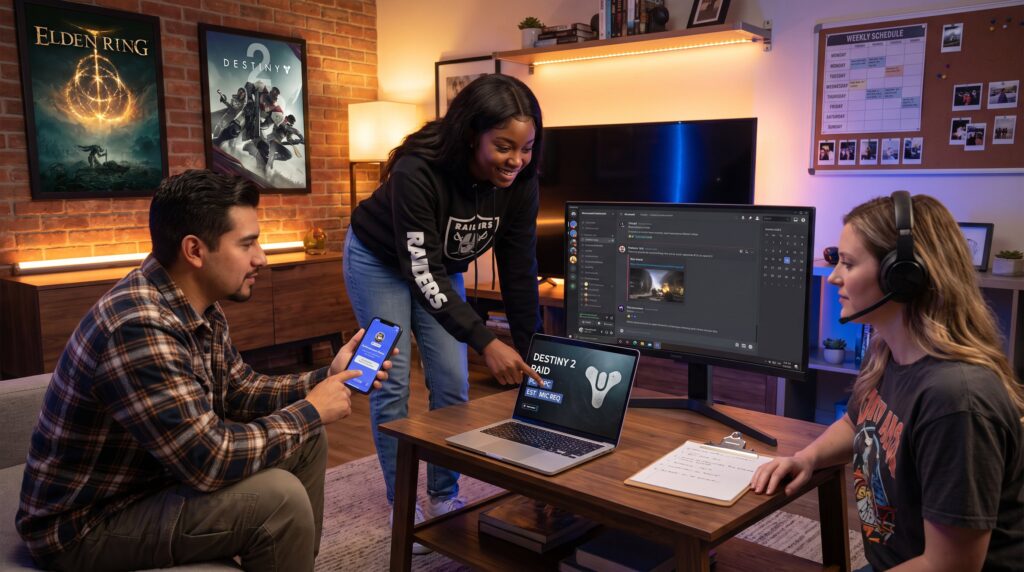
The Best Ways to Find Teammates for Cooperative Games are essential for anyone who wants consistent wins and better sessions. In 2026, the difference between a chaotic pickup match and a coordinated squad often comes down to where and how players recruit partners. This guide explains practical, tested methods to find teammates who match skill, schedule, and temperament so groups stay together longer and have more fun.
Key Takeaways
- The best ways to find teammates for cooperative games involve using official Discords, Reddit LFG threads, and specialized party-finder tools to connect with players who share schedules and skill levels.
- Creating clear and concise LFG posts stating game, mode, platform, region, time, and communication needs helps filter and attract the right teammates quickly.
- Trial runs of 30–60 minutes are essential to vet communication, playstyle, and punctuality, ensuring team compatibility before committing.
- Maintaining predictable schedules with shared calendars and setting clear conduct rules fosters team stability and reduces last-minute cancellations.
- Providing timely, private feedback and celebrating milestones helps build long-term cohesion and promotes retention within cooperative gaming teams.
Why Finding Great Teammates Matters (Performance, Fun, And Longevity)
Good teammates raise measurable outcomes quickly. They reduce mistakes, shorten match times, and increase win rates because they coordinate roles and adapt in real time. For example, a four-player raid where each person knows their role finishes 35–50% faster than an ad‑hoc run where roles overlap and callouts are missing. That speed translates into less frustration and more clear progression.
Good fit also protects enjoyment. Players who share expectations, casual play, competitive ranked, or achievement runs, argue less and spend more time playing. One studio’s post-match survey showed teams with consistent voice communication reported 28% higher satisfaction than silent random groups. That satisfaction keeps people coming back: stable squads lead to longer play lifespans and reduce churn.
Finally, longevity matters for anyone who wants to build a team: consistent teammates mean predictable scheduling, faster skill growth, and social bonds that make difficult content feel achievable. That’s why finding teammates deliberately is not optional: it’s a core part of the modern cooperative experience.
Top Places To Look: Platforms, Communities, And Tools That Actually Work
Start where committed players gather. Official game Discords and community Discords host focused channels for specific modes, times, and ranks. Posting there reaches players who already care about the same game and often list schedules in pinned messages.
Reddit LFG threads and Steam Community groups work when looking for platform- or region-specific teammates. Users there usually include rank, timezone, and short clips or screenshots to show skill level. In titles with built-in tools, use role-based matchmaking and party finder features to filter by region and preferred role.
Companion LFG websites and party-finder apps are useful for niche goals, speedruns, raid farms, or challenge runs, because they let users tag their exact objective, platform, and voice requirements. Community calendars and scheduled events on Discord make it easy to slot players into weekly sessions.
For new members unsure how to join, the site hosts many starter resources and platform lists: hobbyists may find helpful community links in the site’s overview of community resources. Those pages collect official Discords, recommended subreddits, and clan directories to reduce search time.
When comparing options, check visibility and moderation: well-moderated channels and pinned role tags cut through noise. For a quick verification of how LFG is used across platforms, the explainer on LFG usage clarifies common formats and shorthand.
How To Create Effective LFG Posts And Use Matchmaking Features
State the key facts first. Write one line that answers: game, mode, platform, region, and time. Example: “Destiny 2, Nightfall, PC, EU, 20:00 CET, mic required.” That single line filters out most mismatches immediately.
Next, list the goal and requirements in bullet-style lines so readers can scan. Include rank or skill if it matters: “PL 1500+” or “Gold+ solo queue experience.” Mention communication tools and language: “Discord voice, English.” Be explicit about availability (days and typical session length) and put the timezone in parentheses.
Keep posts short, 3–6 lines, and add one concrete hook: a past result, number, or schedule. Example hooks: “completed 8/10 raids last week” or “weekly sessions Mon/Wed 19–21 CET.” Those specifics let potential teammates judge fit at a glance.
When using in-game matchmaking, select role-based filters whenever possible. Role filters reduce wasted matches and speed up learning curves. If the game supports party-finder tags, use precise tags (“achievement farm”, “speedrun”, “new players welcome”).
A practical warning: overly strict filters can leave posts unanswered. If a post gets no responses in 24 hours, relax one requirement, usually rank or strict time slot, then repost.
For newcomers who want a quick primer on the LFG acronym and common etiquette, resources that explain LFG formats help frame the right expectations and phrasing.
Vet, Communicate, And Keep Players: Building A Reliable Long-Term Team
Start with a short trial run. The fastest way to vet a teammate is a focused 30–60 minute session where the group tests communication, playstyle, and punctuality. That single session reveals whether someone reports positions, follows callouts, and respects role boundaries.
Set three basic rules early: session time, preferred voice tool, and conduct expectations. Put those rules into a pinned message or a small text channel so they’re visible before anyone joins repeatedly. Concrete rules reduce misunderstandings, e.g., “arrive 10 minutes early,” “use push-to-talk,” or “no toxic language during losses.”
Use a shared calendar or Discord event to lock in regular sessions. When players RSVP and see recurring events, commitment increases. One team found that adding a weekly calendar cut last-minute no-shows by roughly 40% within a month. Shared notes or a short strategy doc for recurring content (roles, rotations, gear targets) cuts down on repetitive explanations.
Give feedback early and privately. After a trial, offer a short, honest appraisal: “good positioning, improve ult timing.” That mix of praise and one specific tweak prevents resentment. If someone clearly mismatches the team’s pace or goals, end the trial gracefully and suggest other communities that might fit them better, this keeps the social ties intact.
Finally, promote retention by celebrating small wins. Track milestones, first successful raid clear, 100 ranked matches, and mark them with screenshots or a pinned achievements channel. The sense of shared progress is the glue that keeps a team together.
Conclusion
Finding the best teammates for cooperative games is intentional work: pick the right platform, write clear LFG posts, run short trials, and keep predictable schedules. Those practices convert random matches into durable squads that perform better and stay together longer.