
Fantasy baseball continues to grow in popularity, and the 2026 season offers more ways than ever for new players to get involved. With flexible formats and a full MLB schedule to work with, it’s a game that rewards both preparation and consistency.
For beginners, the challenge isn’t just learning the rules. It’s understanding how decisions are made over a long season. In this article, we will look at what you need to know before getting started with fantasy baseball in 2026.
What Fantasy Baseball Is and How It Works in 2026
Fantasy baseball is built around creating a roster of real MLB players and earning points based on their actual performance. Each league uses a scoring system, which can vary slightly, but the idea stays the same. Your team competes against others based on how well your players perform throughout the season.
Some leagues use daily lineups, which allow you to adjust your roster every day. Others use weekly formats, where changes are locked in for a set period. Understanding how often you can make changes is important because it affects how active you need to be during the season.
It’s also worth taking a moment to understand how scoring works in your league. Some formats reward power hitting, while others place more value on consistency or pitching performance. Before joining a league, it helps to review how fantasy baseball works so you know what type of players to prioritize.
The Real-World Signals Smart Fantasy Players Watch
Once the basics are clear, the next step is learning how to make better decisions over the course of the season. Fantasy baseball doesn’t exist in isolation, and strong choices often come from understanding the real-world context behind the numbers.
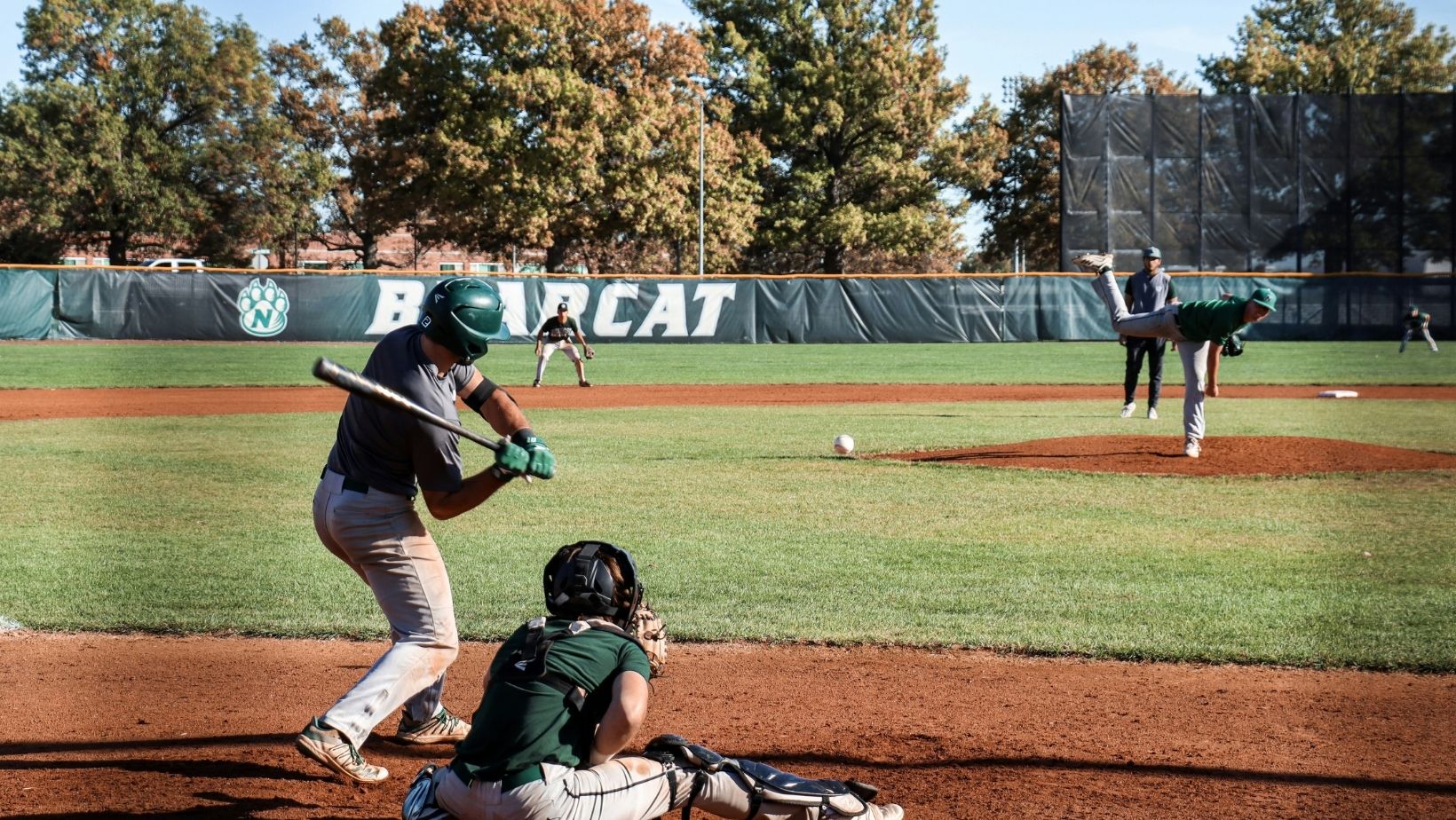
Matchups are one of the most important factors. A hitter facing a strong pitcher may be less likely to produce, while a favorable matchup can increase the chance of a strong performance. Paying attention to these details helps you make more informed decisions.
Some fantasy players also turn to external indicators to get a broader sense of how a game might unfold. Checking betting odds, for example, can offer insight into which teams are expected to perform well on a given day. While it’s not the only factor to consider, it can be a helpful reference when deciding between similar options.
Ballpark conditions, recent team performance, and player trends also contribute to the bigger picture. When combined, these elements help create a clearer view of what to expect.
Using this kind of context doesn’t guarantee results, but it can improve the quality of your decisions over time.
The League Format Will Shape the Entire Experience
Not all fantasy baseball leagues feel the same. The format you choose will shape how you experience the season.
Head-to-head leagues match you against one opponent each week. Your goal is to win more statistical categories during that matchup. This format tends to feel more competitive week to week, since results are decided over shorter periods.
Rotisserie leagues, often called roto, take a broader approach. Teams are ranked based on cumulative stats across the entire season. This format rewards long-term consistency and requires more patience.
Another decision involves lineup flexibility. Daily leagues give you more control, but they also require more attention. Weekly leagues are easier to manage, though they leave less room to react to short-term changes.
Choosing the right format comes down to how involved you want to be. Some players prefer constant adjustments, while others enjoy a slower pace that still rewards smart decisions.
Draft Day Starts Long Before You’re on the Clock
The draft is where your season begins, and preparation makes a noticeable difference. A strong draft doesn’t guarantee success, but it gives you a clear starting point.
Player research is the first step. Looking at past performance helps, but it’s just as important to consider current situations. Lineup position, team strength, and expected playing time all influence how valuable a player might be.
Many players also review MLB predictions and early-season trends before draft day. These insights can help you identify players who may be undervalued or in a position to improve. While no projection is perfect, they provide a useful reference point when making decisions.
Position depth is another factor to keep in mind. Some positions have a clear drop-off after the top players, while others offer more flexibility. Understanding where those gaps exist can help you decide when to prioritize certain picks.
It’s also important to stay adaptable during the draft. Even with preparation, things won’t always go as expected. Being able to adjust your approach in real time is part of building a balanced roster.
The Season Is Won in the Small, Steady Moves
Drafting a strong team is only part of the process. Fantasy baseball is a long season, and consistent management is what keeps a team competitive.
The waiver wire plays a major role. New opportunities appear throughout the year as players improve, change roles, or step into larger workloads. Staying active and making timely additions can help fill gaps in your roster.
Injuries are another factor that can’t be avoided. Having depth on your bench makes it easier to adjust when key players miss time. It also allows you to take advantage of short-term matchups.
Streaming players is a common strategy, especially for pitching. This involves adding players based on favorable matchups rather than long-term value. It requires attention to schedules, but it can provide steady production over time. Consistency is what matters most. Even small decisions, made regularly, can add up over the course of a full season.
Building a Strong Start in Fantasy Baseball
Getting started in fantasy baseball can feel like a lot at first, but the basics come together quickly once you begin. Understanding how your league works and preparing for the draft sets a solid foundation.
From there, staying active and paying attention to changes throughout the season helps keep your team competitive. The process becomes more familiar with time, and decisions start to feel more natural as you gain experience.