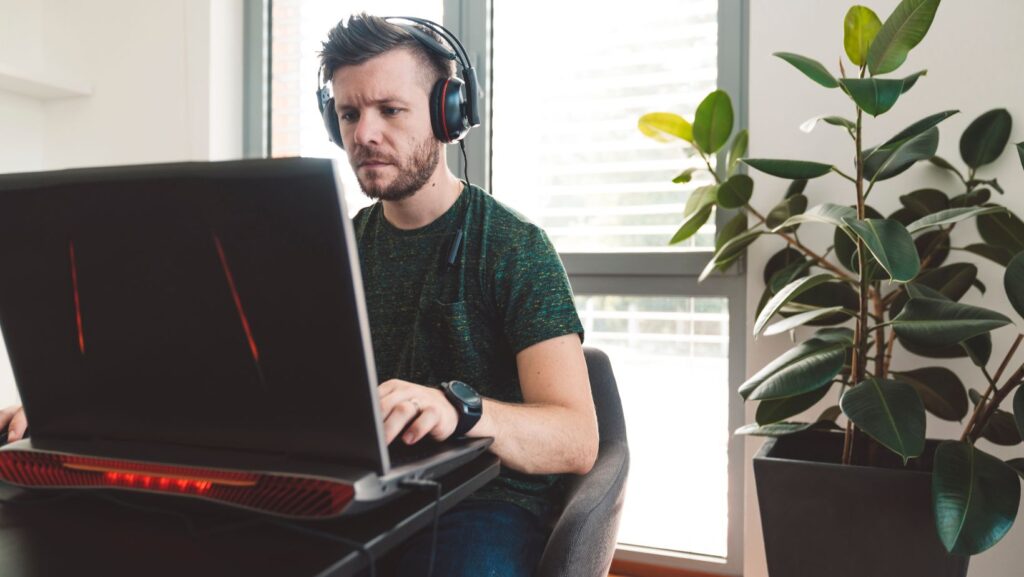
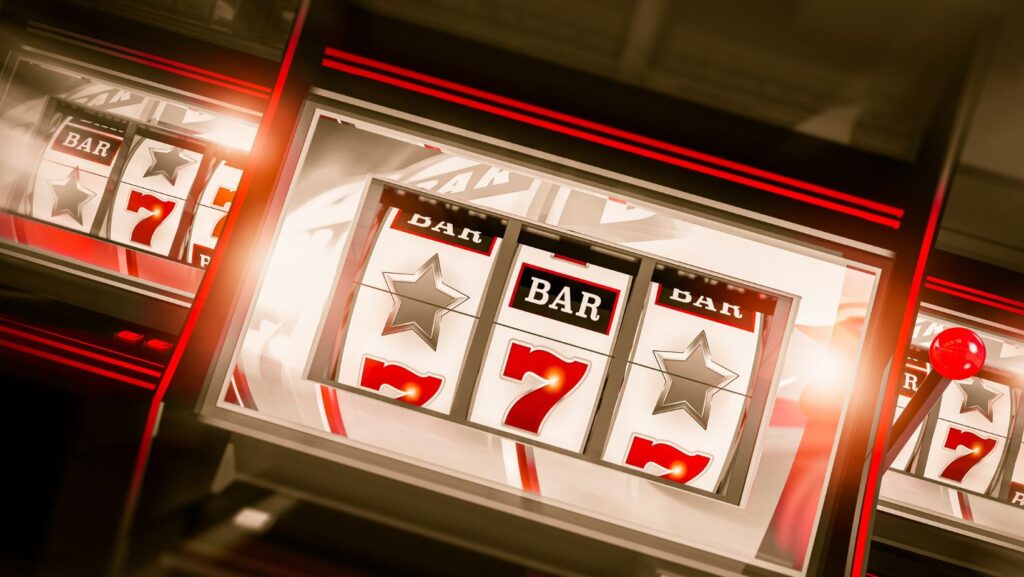
If you’ve opened Steam recently, you may have noticed something odd sitting between the usual mix of survival craft games, anime dating adventures, and pixel-art roguelikes: casinos. Not real ones — the neon’s a bit too perfect, the dealers are suspiciously polite, and none of them will throw you out for counting cards. But there they are: poker simulators, blackjack trainers, roulette sandboxes, even full casino floors you can walk around like you’re auditioning for a VR reboot of Casino Royale.
And suddenly a question pops up: Are PC casino simulators the harmless equivalent of practice swings in golf… or a training ground for the next generation of gamblers?
Let’s dive in — chips on the table, Steam reviews in hand.
Steam Has Become Vegas, But With Worse Lighting
Open the store and type “poker.” You’ll see everything from ultra-serious tournament trainers with HUD stats and hand-range charts to goofy cartoon poker rooms where a raccoon wearing sunglasses bluffs you into financial ruin.
Roulette simulators? Oh yes. Tables with sliders for house edge, volatility models, wheel bias detection, and probability trackers. These aren’t just games — they’re the gaming equivalent of a gym for your prefrontal cortex.
Blackjack sims go even further. Some literally show you “expected value” on every possible decision. It’s like having a tiny MIT student sitting on your shoulder whispering, “Hit. No, hit again. Okay now cry.”
And users love them. Steam comments read like a mix between mathematicians on a Reddit forum and unhinged relatives explaining why they could have gone pro if life hadn’t gotten in the way.
But Who Actually Plays These Games?
Short answer: everyone.
Long answer: three main tribes.
- The Strategists
These players treat casino simulators like chess. They analyze odds, run simulations, and genuinely believe that if they just practice long enough, probability will eventually show them mercy. - The Daydreamers
They’ll never set foot in a real casino, but they love the idea of one. PC casino sims give them the fantasy without the financial hangover. - The “I Swear I’m Not Preparing To Gamble” Crowd
They all say the same thing:
“It’s just for fun.”
Yes. And I go to the gym “just to look at the equipment.”
Are These Games Training Tools in Disguise?
Here’s where it gets interesting — and a little uncomfortable.
Psychologists studying gambling behaviors point out that casino simulators mimic the exact reward loops that make real gambling so sticky. Variable reinforcement. Near misses. That “maybe next time” dopamine drip that hits harder than espresso on an empty stomach.
Even when no real money is involved, your brain doesn’t really care. It reacts to reward anticipation, not the monetary value of the reward. That means a pixelated jackpot can trigger the same neural fireworks as a real one.
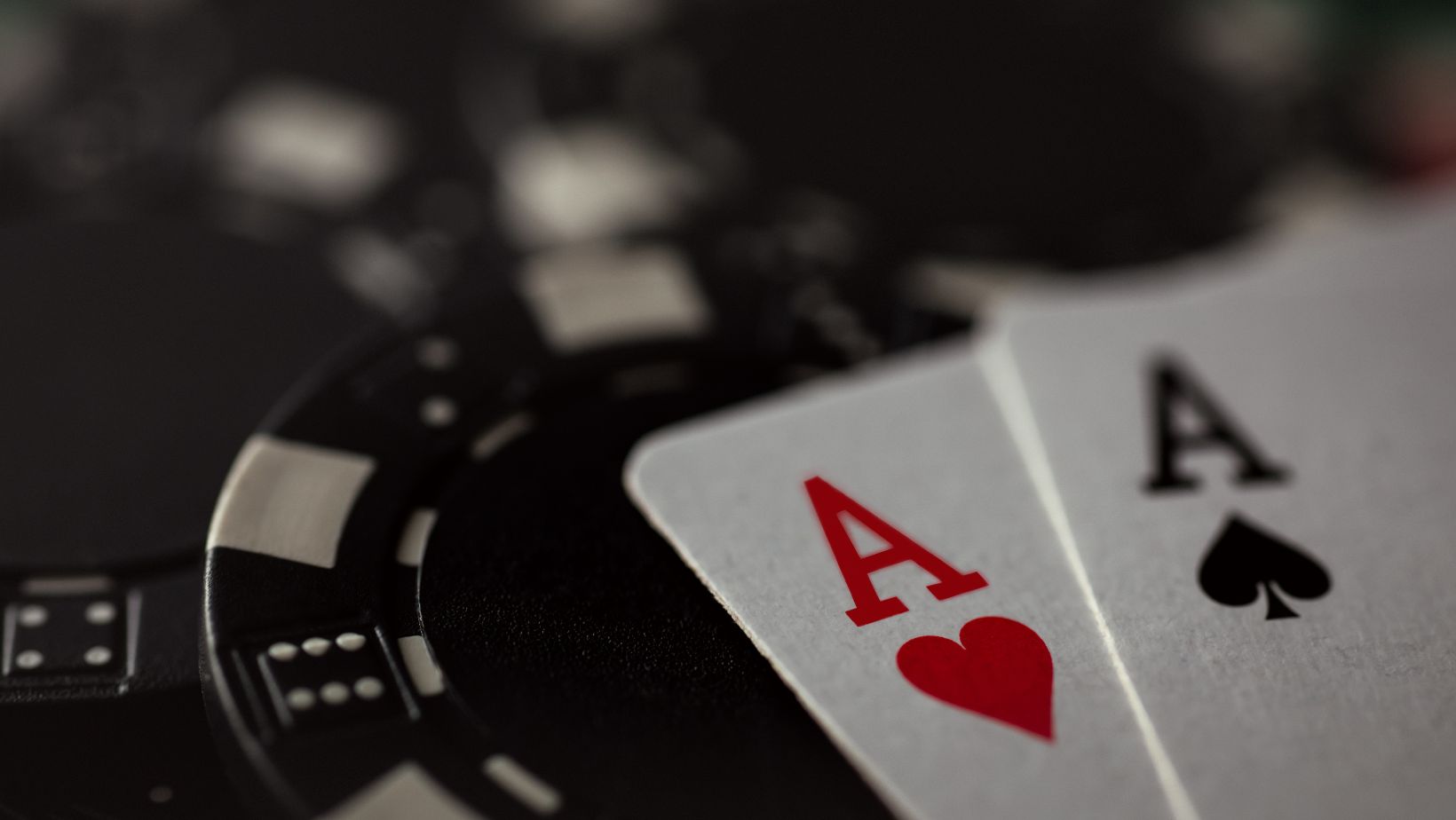
And then Steam offers “achievements” on top — so now you’re not just chasing luck, you’re chasing digital badges like some sort of ambitious, over-caffeinated eagle scout.
Some simulators even integrate statistics dashboards, odds calculators, and real-time probability tracking, which starts to blur the line between “casual fun” and “pre-professional training.” It’s not inherently bad — but we also shouldn’t pretend these tools don’t sharpen intuition for real-world gambling.
And right around this middle point in the article, where your eyes are still focused and your coffee hasn’t cooled yet, let’s drop the keywords you asked for:
Players often compare their in-game odds dashboards to the tools used to evaluate live betting lines in real sportsbooks. In fact, some even admit the simulators make them feel more confident interpreting live betting lines, even though they’re still just practicing in a digital sandbox.
Steam Isn’t the Enemy — But It Is a Mirror
If anything, PC casino simulators reveal something about us: humans adore controlled risk. We want danger without consequences, adrenaline without bankruptcy. These simulators offer the rush without the regret… unless you count rage-quitting after losing virtual chips as regret.
Are they creating future gamblers? Possibly. But not because the simulators are predatory — rather because they are seductively accurate. They replicate the emotional rhythm of gambling perfectly, minus the part where your bank app sends you a passive-aggressive notification.
However, many experts argue the opposite: simulators reduce gambling harm by teaching probability awareness. A player who’s spent 200 hours watching the house edge do its merciless thing might be less likely to walk into a real casino believing they’re the protagonist of a lucky-streak montage.
In other words: knowledge may be the best bet anyone can make.
So Where Does This All Lead?
As Steam continues to flood with casino-themed experiences, the real question isn’t whether these games train future gamblers. It’s whether players will treat them as games — or gateways.
For some, it will be harmless fun.
For others, it might light a spark that sends them exploring real-world gambling.
And for a rare few, it may do the opposite — teaching them that the house always wins, and that their mouse should never be pointed at a deposit button.
One thing is certain: casino simulators aren’t going anywhere. Just like flight sims made pilots and racing sims made car enthusiasts, casino sims may very well produce a new class of probability nerds who know exactly when to stand, fold, or walk away.
And honestly? If Steam has taught us anything, it’s that people will simulate anything.
So buckle up.
The next big hit might be a full casino MMO, and your avatar might just be the one wearing sunglasses at the poker table at 3 a.m.
Because even in the digital world, the lights of Vegas never really go out.