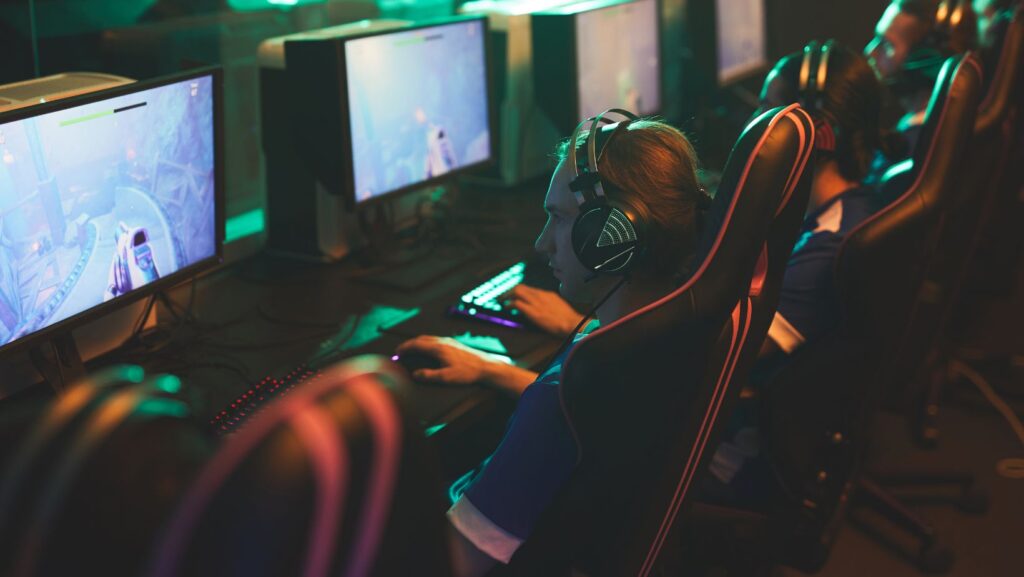
Esports communities have evolved far beyond niche gaming forums. Today, competitive gaming represents one of the fastest-growing forms of digital entertainment in Europe, combining strategy, reaction speed and online culture into a global ecosystem. Platforms like UNF Gaming reflect this evolution by covering gaming trends, competitive environments and the broader culture surrounding modern online interaction.
Romania has quietly become an increasingly interesting market within Eastern Europe’s gaming landscape. With strong internet infrastructure, a highly digital younger generation and a growing esports audience, Romanian players are deeply connected to fast-paced online experiences. Alongside competitive multiplayer games and streaming culture, users also encounter lighter forms of reaction-based digital entertainment such as chicken road 2, which fit naturally into the wider ecosystem of quick-interaction online gaming environments.
Romania’s growing gaming identity
Romania’s gaming scene has developed rapidly over the last decade. While the country may not receive the same international attention as larger esports markets, its online gaming community continues expanding steadily.
Several factors contribute to this growth:
- strong broadband infrastructure
- high PC gaming adoption
- active streaming communities
- increasing participation in esports tournaments
Romanian players are especially active in competitive online titles that reward reaction speed and adaptability.
Why fast-paced gaming remains so popular
Modern gaming audiences often prefer experiences that deliver immediate engagement rather than long setup periods or slow progression systems.
Fast digital experiences appeal because they:
- provide instant feedback
- reward quick decision-making
- fit into shorter gaming sessions
- create constant anticipation
This style of interaction aligns closely with current online attention habits, especially among younger players.
The overlap between casual gaming and esports culture
Although esports focuses heavily on competition, many players also engage with casual gaming environments during downtime between ranked sessions, streams or tournaments.
This creates a broader gaming ecosystem where users move fluidly between:
- competitive multiplayer games
- live streams and esports broadcasts
- short-form entertainment platforms
- reaction-based gaming experiences
The distinction between “hardcore” and “casual” gaming has become increasingly blurred.
Comparing traditional gaming and modern online interaction
|
Earlier Gaming Culture |
Modern Gaming Ecosystem |
|
Long isolated sessions |
Constant connected interaction |
|
Offline progression |
Live-service environments |
|
Single-platform focus |
Multi-platform engagement |
|
Limited social interaction |
Streaming and community-driven |
|
Fixed gameplay loops |
Fast and flexible experiences |
Gaming today is as much about online culture as it is about gameplay itself.
Romanian internet culture and gaming
Romanian online communities are known for adapting quickly to global internet trends while maintaining their own humor and communication style. Gaming spaces in particular often combine:
- ironic meme culture
- competitive intensity
- fast-paced communication
- strong community interaction
This combination creates highly active and emotionally reactive gaming environments.
Streaming culture and second-screen behavior
Gaming audiences now rarely focus on only one activity at a time. A typical modern player might:
- watch a Twitch stream
- monitor Discord conversations
- play a competitive match
- browse gaming clips or memes simultaneously
This fragmented attention pattern shapes how modern entertainment platforms are designed.
Why reaction-driven entertainment works online
One reason fast digital platforms continue growing is because they mirror the emotional rhythm of multiplayer gaming itself.
Both competitive games and quick-interaction entertainment rely heavily on:
- anticipation
- split-second reactions
- unpredictable outcomes
- rapid emotional shifts
This psychological similarity helps explain why gaming audiences often engage with multiple types of fast digital entertainment.
Responsible gaming and digital balance
As gaming ecosystems become increasingly immersive, maintaining healthy habits becomes more important.
Useful practices include:
- taking breaks between sessions
- avoiding excessive screen time
- balancing competitive and casual play
- separating entertainment from stress management
Healthy engagement helps gaming remain enjoyable over the long term.
The future of Romania’s digital gaming ecosystem
Romania is likely to continue growing as an important regional gaming market. Future trends may include:
- stronger esports infrastructure
- larger regional tournaments
- increased streaming and creator influence
- broader integration between gaming and entertainment platforms
As internet culture evolves, Romanian gaming communities will likely remain highly adaptive and digitally engaged.
Conclusion
Gaming culture today extends far beyond traditional competitive titles. Modern players move constantly between esports, streaming, online communities and quick-interaction entertainment platforms. In Romania, this ecosystem continues growing rapidly, shaped by strong digital infrastructure and highly connected online audiences. As gaming and internet culture become increasingly intertwined, fast-paced and reaction-driven experiences will likely remain central to how players interact online.