
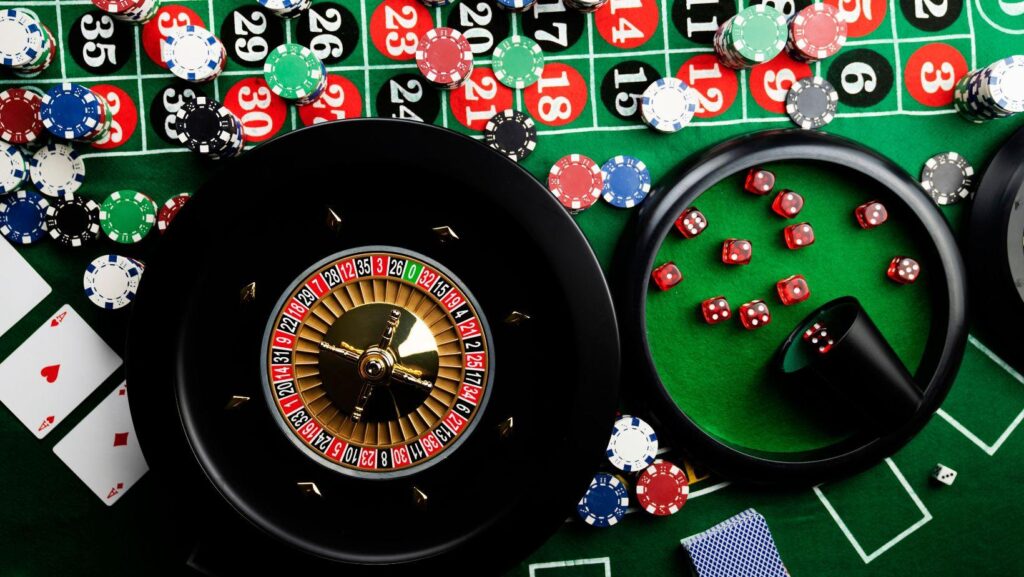
Gaming communities are used to reading systems. They notice how a game teaches players what matters, how it rewards attention, how it changes pace, and how it separates skill from luck. That’s why gamers often understand casino game mechanics faster than casual observers. They’ve already spent years looking at how games guide attention, build anticipation, and make each action feel meaningful.
That makes gaming culture a natural reference point for anyone exploring online casino games Singapore. A slot game, a crash game, a live game show, or a fast table game may use different rules from a mobile RPG or multiplayer shooter, but many of the design ideas are familiar. You act, the game responds, information appears on screen, and the next decision becomes clear. Gaming communities recognise that structure immediately.
Gamers Understand Game Loops
The first reason is simple: gamers understand loops. A game loop is the repeated rhythm that keeps a session moving. In an RPG, you fight, earn rewards, improve your character, and take on the next challenge. In a casino game, you place a bet, trigger the round, watch the outcome, and decide what to do next.
Unity’s game services documentation explains this idea clearly when discussing virtual shops, saying they can “drive engagement” when they’re implemented “as part of your core game loop.” That matters because gaming communities already know that a mechanic feels stronger when it fits the flow of play.
This is why gamers can often explain why one casino game feels smooth and another feels flat. They’re looking at pace, clarity, feedback, and whether the next action feels natural. They’re reading the loop before they’re judging the theme.
They Know Feedback Is Part of the Reward
Gaming communities also understand feedback. A good game tells you when something matters. You hear a sound, see an animation, watch numbers move, unlock a badge, fill a bar, or trigger a visual effect. Feedback gives the action weight.
Casino games use the same kind of language. Reels react, cards flip, multipliers climb, wheels slow down, symbols glow, and live dealers reveal outcomes step by step. The mechanics may be different, but the purpose is familiar: make the result clear and make the moment easy to follow.
Gamers are trained to notice when feedback is doing useful work. They can tell when an animation supports the result and when it’s only covering a weak mechanic. They can read whether a bonus reveal feels exciting because the timing is strong or whether it feels stretched because the game is trying too hard.
They Read Progression Faster
Progression is another area where gamers have an advantage. Most gaming communities are used to levels, ranks, battle passes, upgrade trees, unlocks, achievements, daily missions, streaks, and limited-time events. They understand how progress changes the feeling of a session.
That knowledge transfers easily to casino mechanics. A slot feature meter, jackpot counter, loyalty tier, bonus round, prize ladder, or unlock-style feature can all feel familiar to someone who plays modern games. The gamer doesn’t need a long explanation to understand why progress bars work. They’ve already seen how visible progress creates direction.
Android Developers’ Google Play Games Services quality checklist says achievement descriptions “should make clear to users what they need to do to get the achievement.” That point applies widely across game design. A reward mechanic becomes easier to understand when the player can see the goal, the action, and the result.
Casino games that present features clearly tend to make more sense to gaming communities. Gamers care about what triggered the reward, what changed on screen, and what the next step means.
They Understand Randomness Without Treating It as Magic
People outside gaming sometimes treat randomness as mysterious. Gaming communities usually don’t. They’ve seen random loot drops, critical hits, procedural maps, card draws, gacha pulls, item rolls, spawn rates, and matchmaking variance. They know randomness can create surprise, tension, frustration, and excitement.
That helps them understand casino games more clearly. They’re more likely to separate the mechanic from the outcome. A gamer can enjoy a near miss or a bonus tease while still understanding that the result is governed by the game’s rules and probability model.
This matters because casino games often use randomness as part of the entertainment. The next card, spin, roll, multiplier, or reveal carries uncertainty. Gaming communities are used to that feeling. They know the difference between a mechanic that gives meaningful tension and one that only looks dramatic.
They Notice Risk and Reward Structures
Gaming communities spend a lot of time evaluating risk and reward. Should you use a rare item now or save it? Push for a harder boss or retreat? Take the aggressive route or play safe?
Casino games often ask players to read risk and reward too. A high-volatility slot may feel different from a steadier title. A crash game may create tension around when to stop. A blackjack decision may involve probability and timing. A live game show round may build suspense around multipliers and prize paths.
Gamers tend to understand that a bigger potential reward usually changes the risk profile. They may still enjoy the spectacle, but they can recognise the structure underneath. That gives them a more practical way to compare games.
They Know Communities Decode Mechanics Together
Gaming communities don’t learn alone. They share guides, clips, forum posts, tier lists, spreadsheets, strategy notes, patch reactions, and breakdowns. When a new mechanic appears, the community pulls it apart quickly.
That same habit helps with casino games. Players discuss which games feel fast, which bonus rounds are easy to understand, which live shows have more suspense, which themes feel polished, and which mechanics create the best rhythm. They compare sessions, explain features, and call out confusing design.
This community layer matters because mechanics become easier to understand when people talk about them. One player notices the pacing. Another notices the feature trigger. Another notices the way the interface explains the result. Together, they build a clearer picture of how the game works.
They Separate Theme From Mechanics
A casual observer may look at a casino game and focus mostly on the theme. Ancient Egypt, fruit symbols, football, mythology, game shows, fantasy worlds, luxury tables, and neon crash screens can all dominate attention. Gamers usually look deeper.
They know that theme and mechanics aren’t the same thing. Two games can look completely different and still use similar loops. Two games can share a theme and feel nothing alike. A strong visual identity may attract attention, but the underlying mechanic determines how the game plays.
That’s why gaming communities often ask sharper questions. How fast is the round? How clear is the result? Is there a bonus feature? How does the multiplier work? Those are mechanic-first questions.
They Understand Why Presentation Matters
Presentation is part of the mechanic. Gaming communities know this because games live through timing, sound, movement, and interface design. A reward feels stronger when the screen communicates it well. A result feels clearer when the animation supports the information.
Casino games depend on that same presentation layer. A live game show needs tension. A slot bonus needs rhythm. A card game needs clean reveals.
Gamers understand that these details aren’t decoration. They shape how the mechanic feels. Poor presentation can make a good idea confusing. Strong presentation can make a simple mechanic feel electric.
Gaming Communities Read the Machine Behind the Moment
Gaming communities understand casino game mechanics better than most people because they’re fluent in game design. They recognise loops, rewards, randomness, risk, feedback, progression, and interface language. They know how games build tension and how mechanics keep a session moving.
That doesn’t make every casino game the same as a video game. But it means gamers have a stronger toolkit for reading what’s happening on screen. They can look past the theme, the noise, and the flash. They can see the structure.
And once you do, the whole experience changes. Every spin, reveal, multiplier, bonus trigger, and live round becomes easier to read. The screen stops feeling like a blur of effects and starts looking like what it really is: a designed system built to turn rules, timing, chance, and anticipation into something unforgettable.