
Excitement doesn’t behave like a battery that stays full while you keep using it. It behaves like a spark: it flares, it peaks, and then it changes shape. That’s why people rarely describe a great experience as two hours of constant thrill. They describe moments: the hit, the twist, the surprising win, the perfect round.
This is true across exciting online entertainment. The part that feels best is usually concentrated, not stretched. When you try to turn a peak into a marathon, the feeling doesn’t scale linearly. The intensity that made it special becomes harder to reach, and the session starts to feel like more of the same.
The mismatch is simple: duration increases, but the emotional peak doesn’t.
Anticipation Is Part of the Reward
A lot of excitement happens before the moment arrives. The build-up is not a side effect, it’s a core ingredient. Your brain reacts to what might happen almost as much as it reacts to what actually happens. That loop of anticipation and reward is why short sessions often feel better: they preserve the build-up.
Short bursts protect the sense of next. They keep the possibility space fresh. When a session runs too long, the future starts to feel predictable. And predictability drains anticipation.
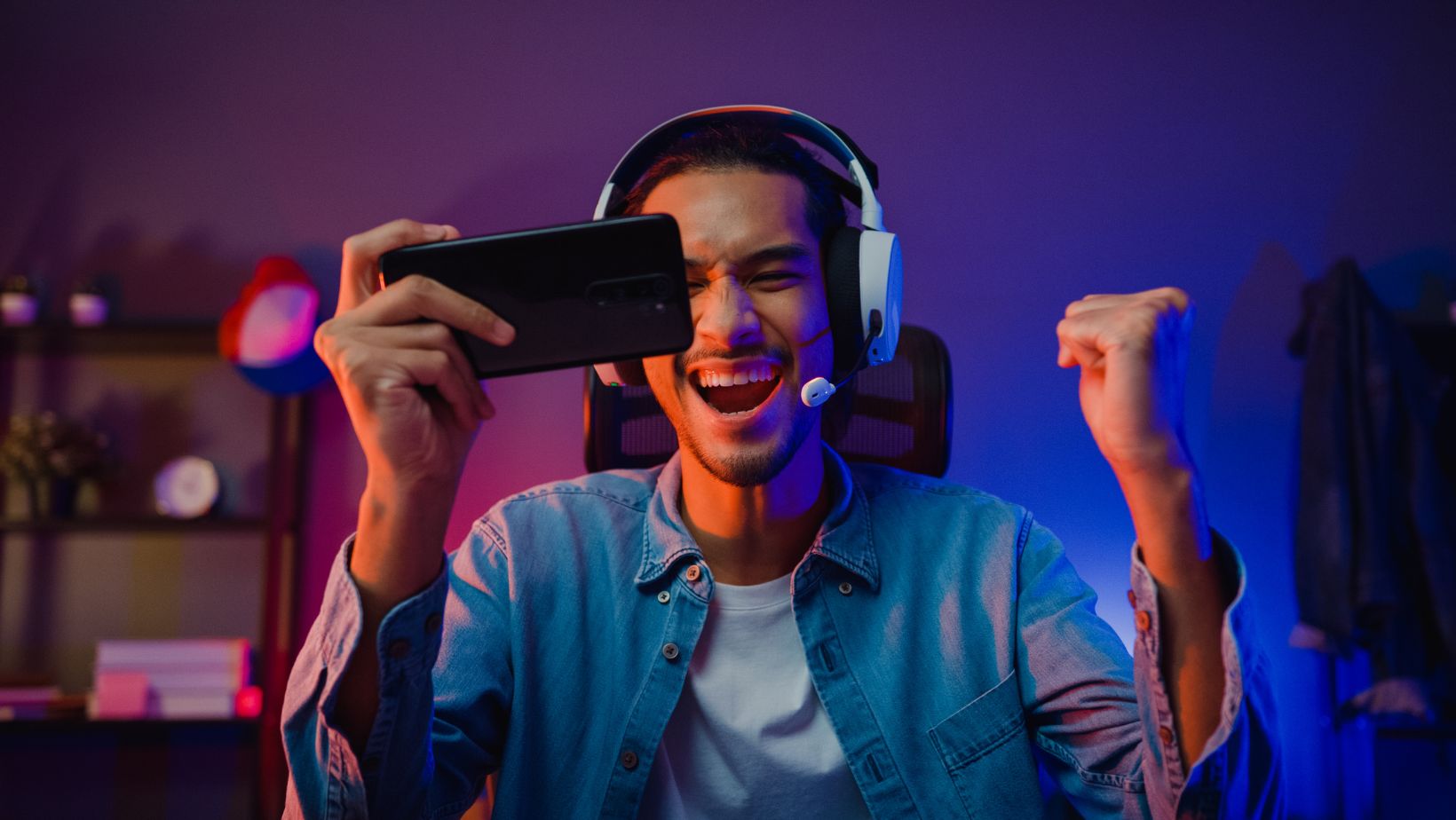
In exciting online entertainment, the best short sessions often have a clean arc: entry, build-up, a highlight, and a stop. Long sessions flatten that arc into a straight line.
Emotional Saturation and Diminishing Returns
Stimulation has diminishing returns. The first few minutes of a new experience feel sharper because your brain is sampling. It’s paying attention. It’s sensitive.
Then recalibration kicks in. What felt vivid becomes normal. What felt intense became baseline. Not because the content gets worse, but because your nervous system adapts quickly. This is why short-burst excitement is such a strong format, something observable across fast-paced platforms like winshark.com, where short rounds amplify early peaks: it ends before adaptation fully dulls the edge. Long sessions don’t always feel bad, they just become quieter. The excitement doesn’t disappear dramatically. It fades into background noise, and you only notice afterward that the session felt flatter than you expected.
Memory Favors the Highlight, Not the Marathon
Satisfaction is often judged after the fact. When people look back, they don’t average every minute. They remember standout moments and the ending tone. That’s where peak experience memory matters: the mind stores highlights more than durations.
A short session has fewer filler minutes, so the highlight occupies a larger share of the memory. A long session creates more sameness, which makes the peak feel smaller by comparison.
That’s why two sessions can have the same number of enjoyable moments, but the shorter one feels better in retrospect. It has a cleaner narrative.
Control and Closure Increase Enjoyment
There’s another reason short sessions feel better: they end on purpose. Intentional endings create a sense of authorship. You feel like you chose the experience, rather than being carried by it.
Control doesn’t only mean limits. It means closure. A clear ending preserves the emotion at a high point. It’s the same reason a good movie scene cuts away instead of dragging. If you stop while the energy is still strong, the feeling stays intact.
This is why short sessions in exciting online entertainment often feel more satisfying: you leave with momentum still in your hands.
Why Overextension Feels Flat, Not Fulfilling
The most common mistake is chasing the original peak inside the same session. You get a great moment and then assume more time will recreate it. The problem is that your brain has already updated the baseline. The first peak was powerful partly because it was unexpected.
Overextension creates a weird emotional effect: you keep playing, but you’re no longer chasing excitement, you’re chasing the memory of excitement. And that chase rarely produces the same feeling. Fatigue arrives quietly. The session becomes longer, but not richer.
This is why short-burst excitement tends to win. It doesn’t ask one session to deliver everything. It lets the peak stay rare enough to feel meaningful.
Leave Before the Feeling Leaves
The best experiences often end slightly early. Not because you’re cutting fun short, but because you’re protecting the shape of it. Short engagement preserves anticipation, reduces saturation, and leaves a cleaner memory.
That doesn’t mean long sessions are wrong. It means excitement has a rhythm. If you want it to keep feeling alive, you treat it like a peak-based emotion, not a time-based one. Short bursts keep the highlight sharp. Long sessions blur it.
Next time something feels genuinely exciting, try ending on the peak once then notice how it’s remembered the next day. If the memory stays bright, you’ve found the format that works.