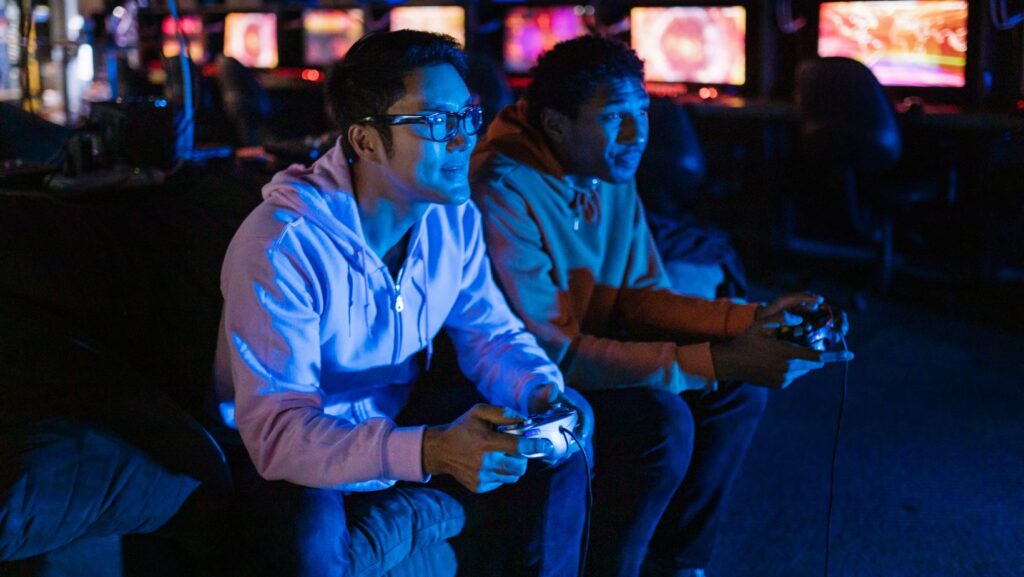
Picture this: It’s a rainy Saturday. You’re hunched over a chunky gray controller, the glow of a CRT TV flickering in a dark room. The music from Super Mario Bros. fills the air, and you’re chasing that perfect run. If you’ve ever felt that rush, you’ve probably wondered, what is considered retro gaming? The answer isn’t as simple as “old games.” It’s a mix of nostalgia, technology, and a little bit of personal history. Let’s break it down.
What Is Considered Retro Gaming?
At its core, retro gaming means playing video games from previous generations. But here’s the part nobody tells you: the definition of “retro” keeps shifting. What felt modern in 2005 now feels ancient. So, what is considered retro gaming today? Most gamers agree it covers consoles, computers, and arcade machines that are at least 15-20 years old. Think NES, Sega Genesis, PlayStation 1, and even early Game Boy titles.
But it’s not just about age. Retro gaming is about the experience—using original hardware, cartridges, and controllers. It’s the difference between playing Sonic the Hedgehog on a Genesis versus a smartphone emulator. The feel, the quirks, the limitations—they all matter.
Why Do People Love Retro Gaming?
If you’ve ever blown into a cartridge, you know the answer. Retro gaming isn’t just about the games. It’s about reliving childhood, sharing memories, and discovering classics you missed. There’s a thrill in hunting down a rare SNES cartridge at a flea market or finally beating a game that stumped you as a kid.
Here’s why retro gaming still hooks people:
- Nostalgia: Games from the past remind us of simpler times—sleepovers, pizza, and endless summer afternoons.
- Challenge: Many retro games are tough. No save points, no hand-holding. You earn every victory.
- Community: Retro gaming brings people together. Forums, conventions, and YouTube channels keep the culture alive.
- Discovery: There’s always a hidden gem. Maybe you missed EarthBound or never tried a TurboGrafx-16. Retro gaming is a treasure hunt.
What Systems and Games Are Considered Retro?
Let’s get specific. If you’re asking what is considered retro gaming, here’s a quick list of systems most people include:
- Nintendo Entertainment System (NES)
- Super Nintendo (SNES)
- Sega Genesis
- Atari 2600
- PlayStation 1 and 2
- Game Boy, Game Boy Color, Game Boy Advance
- Commodore 64, Amiga, Apple II
- Arcade cabinets from the 70s, 80s, and 90s
Some folks now include early 2000s consoles like the GameCube, Xbox, and PlayStation 2. If you grew up with these, it might sting to hear them called “retro,” but time moves fast in gaming.
What About PC Games?
PC gaming has its own retro scene. Titles like Doom, Monkey Island, and Myst are classics. If you’re running games on MS-DOS or Windows 95, you’re in retro territory. Even early online games like Ultima Online or EverQuest have a retro following.
How Do You Play Retro Games Today?
Here’s where things get interesting. You don’t need a closet full of old consoles to enjoy retro gaming. Here are your options:
- Original Hardware: The purest way. Dust off your NES, plug in the cables, and hope it still works.
- Emulators: Software that mimics old consoles on your PC, phone, or Raspberry Pi. It’s convenient, but purists say it’s not the same.
- Mini Consoles: Companies like Nintendo and Sega have released mini versions of classic systems, preloaded with games.
- Re-releases and Collections: Many retro games are available on modern platforms—think Nintendo Switch Online or PlayStation Classics.
If you want the full experience, hunt down a CRT TV. Modern screens can make old games look strange. There’s something magical about the scanlines and colors of a tube TV.
Who Is Retro Gaming For?
Retro gaming isn’t just for people who grew up in the 80s or 90s. It’s for anyone curious about gaming history, design, and culture. If you love pixel art, chiptune music, or tough-as-nails gameplay, you’ll fit right in. But if you need cutting-edge graphics or online multiplayer, retro gaming might not scratch your itch.
Here’s a quick test: If you get excited by the idea of finding a forgotten gem at a garage sale, or you want to see where your favorite franchises began, retro gaming is for you. If you only want the latest and greatest, that’s okay too—there’s room for everyone.
What Makes a Game “Retro”?
This is where things get personal. For some, “retro” means anything before 3D graphics. For others, it’s about the hardware—cartridges, floppy disks, or arcade cabinets. Some even say it’s a feeling: the sense of discovery, challenge, and wonder that modern games sometimes miss.
There’s no official cutoff date. The community decides what is considered retro gaming, and that definition keeps changing. What’s retro today might be “classic” tomorrow. And that’s part of the fun.
Tips for Getting Started with Retro Gaming
If you’re ready to jump in, here are some tips:
- Start with what you know. Replay a childhood favorite or try a classic you’ve always heard about.
- Join online communities. Reddit, Discord, and YouTube are full of retro gaming fans sharing tips and stories.
- Don’t stress about hardware. Emulators are a great way to sample games before investing in old consoles.
- Be patient. Some games are tough. That’s part of the charm.
- Share the experience. Play with friends or family. Retro gaming is better together.
Final Thoughts: Why Retro Gaming Still Matters
Retro gaming isn’t just about old games. It’s about connection—between past and present, between players and memories. If you’ve ever asked, “what is considered retro gaming?” you’re already part of the story. Whether you’re chasing high scores or just chasing nostalgia, retro gaming offers something real: a chance to slow down, appreciate the roots of gaming, and maybe, just maybe, beat that level you never could as a kid.