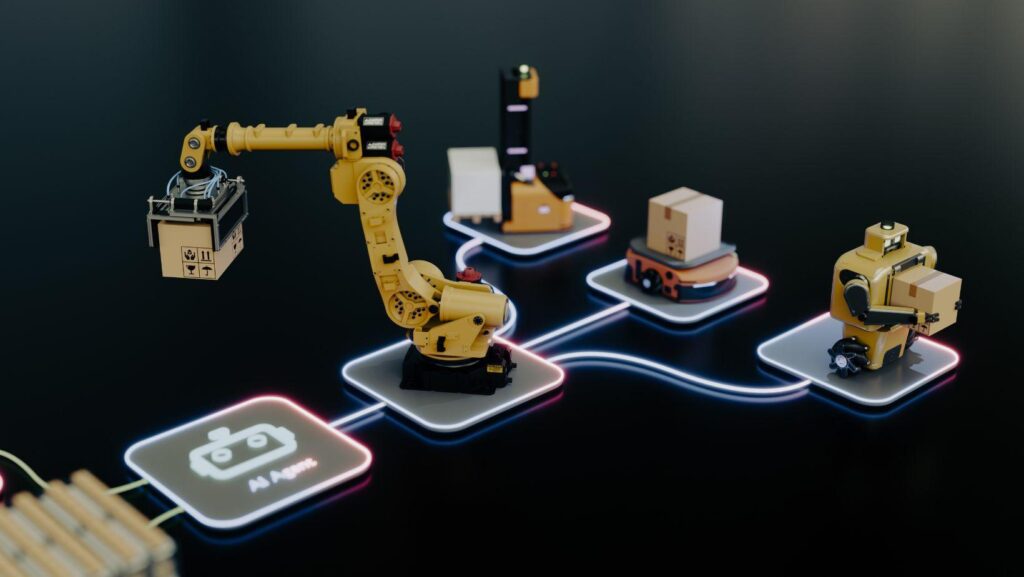
Game development is under pressure from both sides. Players expect richer worlds, while studios want shorter production cycles. That tension explains why automation is getting more attention.
The 2026 GDC survey found that 36 percent of game professionals use generative AI at work. Prototyping was reported by 35 percent of those users. At the same time, 52 percent believed generative AI was hurting the industry.
Those numbers tell us something useful. Developers want practical help, but they remain cautious about production use.
1. Automation Helps Most Before Expensive Work Begins
A game idea can fail for simple reasons. Combat may be boring, or an enemy may not work at the chosen camera distance.
Studios gain more when they discover those problems early. Unity reported that 52 percent of surveyed developers prioritize smaller projects to reduce risk. The same report found that 67 percent spend three months or less in prototyping.
This is where game development automation can help. Teams can build rough scenes before final art starts.
The goal is reaching a playable answer sooner.
2. 3D Asset Creation Can Start From a Description
Artists once needed to build every test prop manually. A temporary weapon could still take meaningful production time.
A tool such as Meshy can generate models from text or image input. A designer can review the result before deeper work begins.
This changes the cost of experimentation. Your team can test several objects without treating every draft like finished art.
A dungeon prototype may need doors, lamps, tables, and weapons. Early generated 3D assets can fill those roles while gameplay is changing.
Human artists can refine the models later. Their time goes toward ideas that survived testing.
3. Reference Images Give Teams More Control
Text prompts work well when art direction is flexible. Existing concept art gives the system more specific visual information.
Meshy 7 supports Multi View for Image to 3D on paid plans. Users can provide one main image with additional viewing angles. Consistent references can reduce guesswork around hidden geometry.
This can help with characters, vehicles, or uneven props. One image may hide an unusual creature limb.
Free access is still available for simpler experiments. Meshy currently gives free accounts 100 credits each month.
4. Rigging Is Getting Faster During Prototyping
A static creature cannot tell designers enough about combat timing. Teams need a working skeleton before movement testing starts.
Meshy Auto Rigging supports humanoid and quadruped characters. Smart Rig Beta also supports custom or fantasy creatures outside those categories.
Current documentation says the system can generate skeleton hierarchy and skinning weights in about 30 seconds. Artists should still inspect wings, tails, shoulders, and difficult joints afterward.
Smart Rig Beta has one current limitation. Models using Smart Rig cannot use Meshy’s animation library yet.
For prototypes, that time saving can still help. Nobody wants hours spent rigging a creature removed after one playtest.
5. Export Formats Decide Whether Automation Is Practical
A generated model only helps when the rest of your pipeline can use it. File compatibility therefore matters more than polished preview images.
Meshy supports FBX, OBJ, GLB, STL, USDZ, BLEND, and 3MF exports. FBX suits game engines and animated characters.
Studios can continue work inside familiar applications afterward. Teams may generate a draft, then refine it in Blender or another production package.
Meshy AI works best beside existing software rather than replacing the whole production stack.
6. Live Games Can Test Content Earlier
Released games still need new material after launch. Seasonal events can require many fresh objects.
A winter event might need gifts, signs, decorations, and themed props. Building every idea to final quality before review wastes time.
Early generated versions can help teams review themes sooner. Artists then focus on the objects selected for release.
For live games, this can shorten experimentation without lowering the review standard.
7. Generative AI Still Needs Clear Production Rules
Current adoption does not mean developers trust every use case. GDC found that 52 percent of game professionals viewed generative AI negatively in 2026.
Studios therefore need rules before adding new tools. Licensing, training data, artist consent, and ownership should be settled before production begins.
Teams also need human review. Generated geometry can contain poor topology or excessive detail that hurts performance.
A practical policy can separate experiments from final content. Internal prototypes may use wider automation, while shipped assets receive stricter review.
This distinction can prevent convenient experiments from becoming careless production decisions.
8. The Bigger Change Is How Teams Spend Time
The future of AI game development may be less dramatic than many headlines suggest. Artists are unlikely to hand every task to one automated system.
Instead, repetitive setup can take less time. Early prototypes can contain more visual information before specialist teams invest heavily.
More time can then go toward gameplay, art direction, technical cleanup, and final polish.
Automation has the greatest value when it removes work that would have been discarded anyway.
That point matters for smaller studios especially. Limited art budgets make wasted production hours expensive.
A Practical Workflow for Studios
Teams can test new tools without rebuilding everything.
- Start with one low risk production problem.
- Generate rough assets only for early testing.
- Review geometry before sending models downstream.
- Confirm licensing rules before commercial use.
- Rig characters only when movement testing is needed.
- Export models into the studio’s normal tools.
- Let artists approve everything intended for release.
- Measure whether the workflow actually saves hours.
This approach gives your studio useful evidence first. You can expand automation after seeing where it genuinely saves work.
FAQ
Will AI replace 3D artists in game development?
AI can reduce repetitive setup and speed early drafts. Final production still needs artists for direction, optimization, correction, and visual consistency.
Does Meshy have both free and paid plans?
Yes, Meshy currently offers both options. Free accounts receive 100 monthly credits, while paid tiers include broader feature access.
Can AI rig fantasy creatures automatically?
Smart Rig Beta can rig custom or fantasy creatures outside standard categories. Human review is still useful around unusual joints.
Is Multi View available for free?
No, Multi View with Meshy 7 currently requires a paid plan. It uses several consistent reference angles during supported Image to 3D generation.
Final Thoughts
The future of game production will probably involve selective automation rather than one fully automated pipeline. Teams will use tools where they reduce wasted effort.
Generative systems can help with prototypes, temporary assets, rigging, and early visual exploration. Artists still control the work that reaches players.
For studios, the useful question is quite simple. Which repetitive task can automation shorten without giving up creative control?