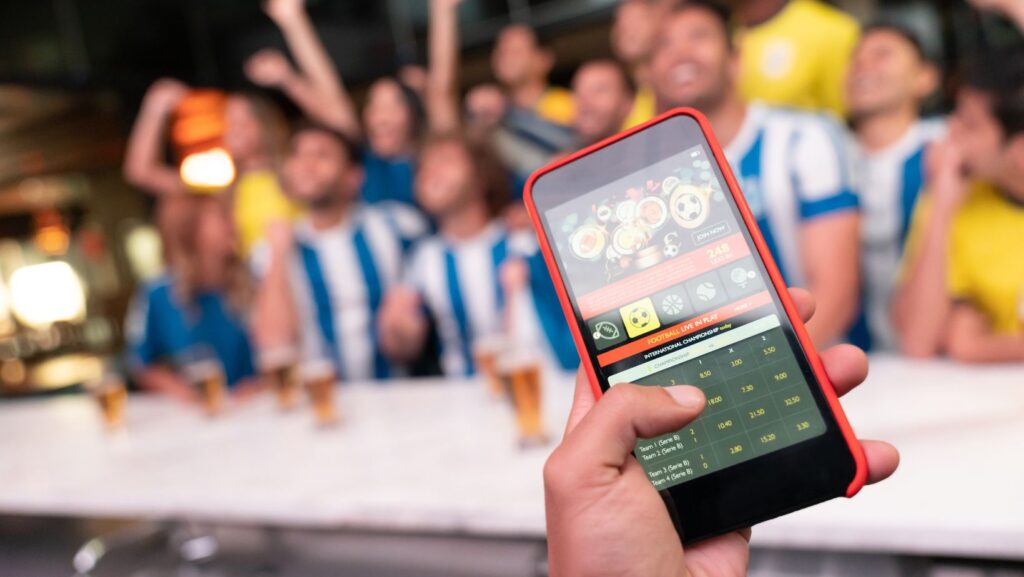
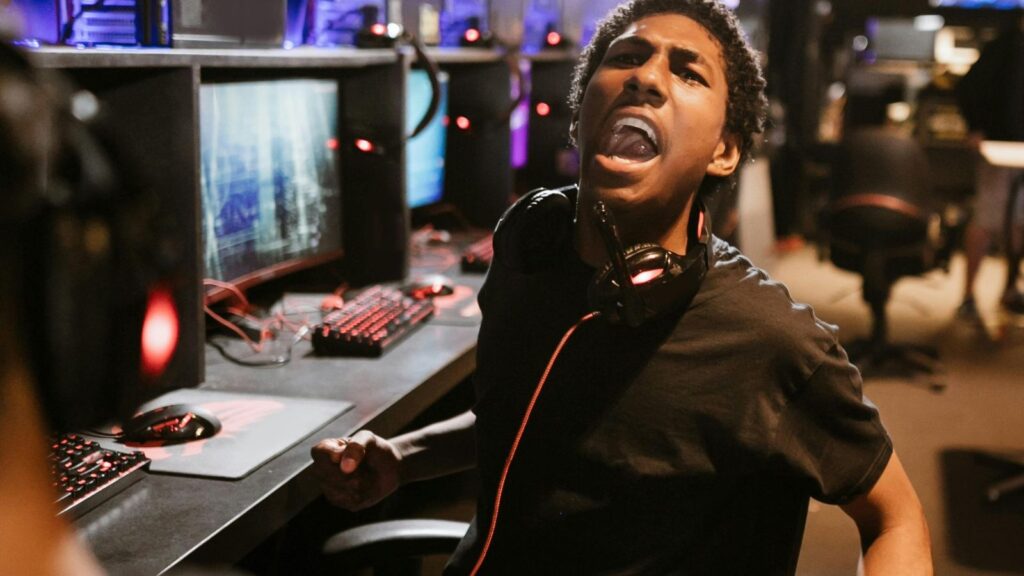
A late-round match hits overtime. The underdog lands a clean read, flips the tempo, and suddenly the favorite looks human. In a different tab, a casino session reaches that same knife-edge feeling when a run starts to build and every decision feels louder. Different formats, similar nervous system response. Experienced players and viewers recognize the pattern because it shows up wherever stakes feel real and outcomes stay uncertain.
That shared thrill often comes from the same psychological ingredients: anticipation before a pivotal moment, a sense of risk that feels personal, and a reward signal that arrives fast enough to shape the next choice. The details differ between a bracket and a game lobby, yet the emotional arc can rhyme in ways that feel surprisingly consistent.
Choosing High-Quality Online Casino Platforms
When a casino session feels intense, platform quality shapes whether that intensity feels clean or chaotic. Serious players watch for stable performance because friction breaks immersion and changes decision timing. They also look for clear rules and predictable game behavior, since ambiguity turns pressure into frustration and makes outcomes feel arbitrary.
This is where selection matters, especially in a crowded US market where brands compete on experience as much as on variety. BonusFinder US recently published a list of trending casinos, and lists like that can help experienced users spot familiar operators, compare interface standards, and sanity-check which platforms earn attention. The point is not hype. The point is reducing avoidable risk in the environment, so the player’s focus stays on decision quality and emotional control.
A quick way to evaluate platform quality is to look for signals that support disciplined play:
- Transparent game rules plus accessible help resources
- Reliable uptime plus smooth payments that feel routine
The Shared Adrenaline Loop
Esports tournaments and casino sessions both run on a feedback loop that rewards attention, timing, and emotional regulation. The brain responds strongly to near-misses and sudden reversals because they carry information. They also carry tension. A near-clutch in a finals map and a narrow loss in a casino round both sharpen focus, then invite the next action.
Competitive pressure amplifies this effect. In esports, the pressure comes from public stakes, team dynamics, and the scoreboard. In casino play, the pressure often comes from self-imposed goals and the pace of outcomes. In both cases, arousal rises when the situation feels unstable and reversible. That is why people lean forward during match points, and why sessions feel more gripping when outcomes swing.
Skilled participants manage that arousal rather than chasing it. They treat adrenaline as a signal to slow down, verify assumptions, and keep their process intact. That mindset looks similar across both spaces: strong players separate the moment’s emotion from the next decision.
Momentum, Tilt, and the Comeback Effect
Momentum is partly mechanical and partly narrative. Esports creates momentum through information advantages, pattern recognition, and economy swings that change what is possible. Casino sessions create momentum through streak perception and rhythm, even when each round stands alone. The mind loves stories, so it tries to connect events into a coherent arc.
That is also where “tilt” enters. Tilt is not a beginner problem. It hits experienced players because expertise creates expectation. When reality breaks expectation, the urge to force control grows. In tournaments, that can show up as over-peeking, rushed comms, or hero plays that ignore the team plan. In casino sessions, it can show up as speeding up decision cycles or extending play beyond the original intent.
Comebacks feel addictive because they compress meaning into a short window. A comeback says: skill and nerve can rewrite the script. That story exists in esports and in casino play, even though the mechanics differ. The practical lesson stays consistent. Treat comebacks as moments to anchor discipline, not to gamble on emotion.
A useful mental checklist during swing moments looks like this:
- Slow the pace, then make the next choice deliberate
- Recommit to a pre-set stop rule, then follow it
The Dynamics of iGaming in the US
The US iGaming market, which is expected to hit USD 6.89 billion in 2026, is in a unique tension between rapid product iteration and strict compliance expectations. Operators compete hard on UX, payments, and mobile performance, while regulators and platform policies push for clarity and consumer protections. That mix influences psychology more than it might seem.
First, it shapes trust. When players understand rules, identity checks, and game disclosures, the session feels structured. Structure reduces background anxiety, which changes how pressure feels in the moment. Second, it shapes the community layer. In many US-facing products, gamified events, tournaments, and leaderboard-style features borrow directly from competitive gaming culture. That design choice increases engagement by adding social comparison and time-boxed urgency.
At the same time, the US landscape stays fragmented. Availability varies by jurisdiction, and product features adapt to local rules. Experienced users tend to respond by developing a “platform literacy” mindset. They learn to evaluate operators, spot design patterns that influence pacing, and choose environments that support control under pressure.
What This Means for Experienced Players and Fans
The shared psychology behind esports tournaments and casino sessions comes down to how humans process uncertainty under pressure. Anticipation pulls attention forward. Momentum makes the story feel alive. Comebacks create emotional payoff that sticks in memory.
For experienced audiences, the edge comes from treating that excitement as a tool. Use it to sharpen focus, not to rush decisions. Choose environments that support clean gameplay and transparent rules. When the moment spikes, process matters more than the story. The thrill stays, and control stays with it.