
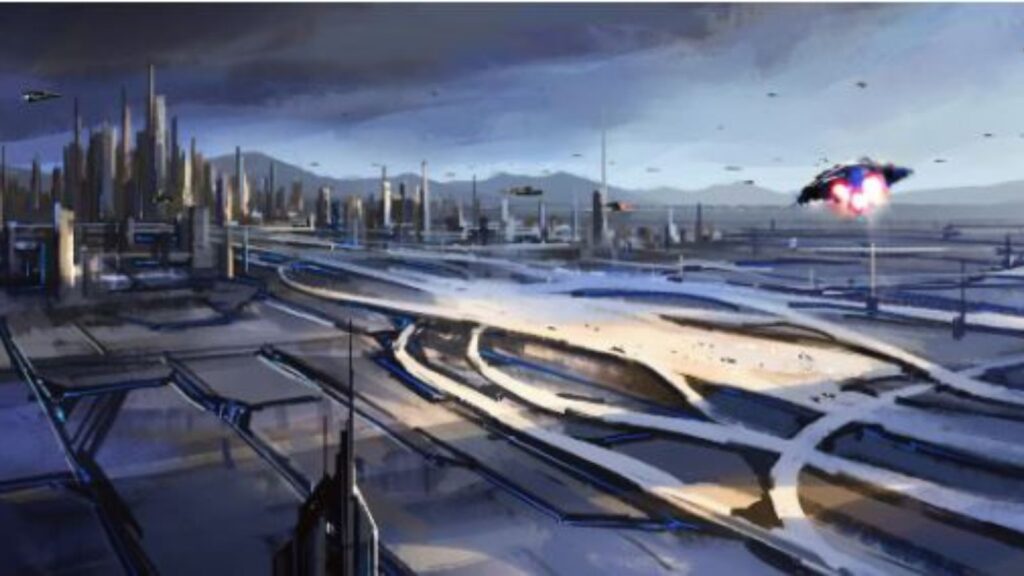
Creating believable cities in open-world games requires more than impressive graphics. Players notice when urban environments feel empty – when NPCs follow obvious loops, when economies don’t make sense, when cities exist purely as player playgrounds rather than functioning spaces. The challenge involves building systems generating the illusion of living cities where inhabitants pursue goals, interact naturally, and create behaviors players recognize as realistic. Someone researching urban game design might study city planning, analyze NPC AI systems, examine economic mechanics, and look at how games represent urban elements from traffic to various services cities provide, with searches ranging from architecture references to queries like slixa Chicago appearing between game dev tutorials and planning resources. This mixing of real-world research with design concerns reflects how developers must understand actual cities before abstracting them into playable systems. Understanding effective urban simulation requires examining the AI, economic models, and design compromises making virtual cities feel inhabited rather than artificial.
Why Urban Simulation Matters for Player Immersion
Players suspend disbelief when game worlds follow consistent internal logic. Cities that feel alive – where NPCs have routines, commerce makes sense, social spaces serve purposes – create immersion decorative environments that can’t match. Urban simulation failures break immersion immediately. NPCs teleporting or phasing through walls remind players they’re seeing broken code. Economies where shops never deplete inventory feel game-like rather than world-like.
NPC AI Systems Creating the Illusion of Life
Non-player characters determine whether environments feel alive or robotic. Modern systems use goal-oriented AI where characters pursue objectives based on needs, schedules, and conditions. Instead of fixed patrol routes, NPCs make decisions creating the appearance of independent agency.
Effective NPC systems combine daily schedules, needs hierarchies prioritizing goals dynamically, pathfinding allowing natural movement, and social behaviors enabling interactions. Red Dead Redemption 2 and Watch Dogs demonstrate sophisticated systems where characters react to weather and pursue personal goals. These don’t need perfect realism – just sufficient complexity that players perceive intention rather than obvious algorithms.
Economic Systems and Commercial Activity
Cities fundamentally function as economic spaces. Games ignoring this create environments that look like cities but don’t function like them. Even simplified economies add believability as players observe commercial activity.
Economic simulation includes merchants with dynamic pricing, supply chains connecting producers to consumers, NPCs earning and spending currency, and player participation affecting markets. Witcher 3, Skyrim, and Fallout demonstrate varying complexity. Deep systems reward trading engagement. Simpler implementations provide atmospheric detail without requiring player understanding of complex mechanics.
Social Spaces and Gathering Behaviors
Real cities contain non-commercial gathering spaces – parks, plazas, entertainment venues. These are crucial because they show inhabitants have lives beyond utilitarian functions. NPCs who only work and go home feel less human than those who socialize and recreate.
Designers create social spaces through gathering points where NPCs congregate, time-based crowd dynamics, entertainment like street performers, and social interactions beyond collision avoidance. These spaces provide environmental storytelling while making cities feel vibrant rather than purely transactional.
Service Industries and Urban Infrastructure
Complete simulation includes diverse services beyond retail. Cities contain healthcare, law enforcement, transportation, entertainment, and personal services. Games representing these elements create richer worlds suggesting comprehensive ecosystems.
Modern open-world games increasingly model varied urban services:
- Healthcare facilities and emergency services
- Transportation networks and taxi systems
- Entertainment venues and nightlife districts
- Professional services from legal to personal companionship
- Infrastructure like utilities and maintenance
This diversity creates texture suggesting cities serve varied human needs beyond missions and merchants. The inclusion of controversial but real urban elements – from vice districts to escort services – adds authenticity when handled maturely.

Day/Night Cycles and Temporal Dynamics
Cities transform between day and night. Effective simulation reflects these changes through NPC schedules, lighting, sound, and available activities. Commercial districts busy during the day might quiet at night while entertainment areas activate.
Temporal simulation adds variety while reinforcing that worlds continue existing beyond player interaction. Certain NPCs only appear at specific times. Missions might require waiting for conditions. These dynamics make cities feel like systems operating independently, even though everything is scripted to create that illusion.
Crime, Law Enforcement, and Social Order
Urban environments contain tensions between order and criminality. Simulating these dynamics creates complexity beyond purely safe or dangerous environments. NPC criminals pursuing goals, law enforcement responding, and player actions affecting order all contribute to believability.
GTA, Watch Dogs, and Cyberpunk model crime and enforcement with varying sophistication. Some create wanted systems where illegal actions trigger police response. Others simulate criminal NPCs operating independently. These systems affect how reactive cities feel – whether they’re static backdrops or environments responding to actions according to consistent rules.
Architectural Variety and Neighborhood Character
Cities contain neighborhoods with distinct characters reflecting economics, culture, and history. Games representing this through architecture, NPC types, and environmental storytelling create richer worlds than monolithic spaces.
Effective neighborhood design uses building maintenance indicating wealth, commercial signage suggesting economic activity, NPC demographics varying by location, and environmental details telling community stories. Spider-Man’s New York, Cyberpunk’s Night City, and Assassin’s Creed’s historical cities demonstrate how variety creates memorable urban spaces feeling authentic despite being fictional.
Technical Compromises and Design Shortcuts
Perfect urban simulation exceeds current capabilities. Developers use clever shortcuts creating convincing illusions without simulating every detail. NPCs might use simpler AI when distant. Buildings show interiors only when visible through windows. Traffic might despawn and respawn rather than persisting.
Understanding these compromises helps appreciate urban game design craft. The goal isn’t perfect simulation but perceptual realism – environments feeling fully realized regardless of hidden shortcuts. Players rarely notice when implemented skillfully, only becoming aware through glitches or obvious failures.

Conclusion: The Art of Urban Simulation
Creating believable urban environments requires balancing technical constraints against design ambitions while understanding what elements matter most for immersion. NPC behaviors, economic systems, social spaces, and temporal dynamics all contribute to cities feeling inhabited. As technology advances, simulation grows more sophisticated – but the fundamental challenge remains: creating convincing illusions of living cities within constraints that will always exist. The most successful game cities aren’t those perfectly simulating reality but those capturing essential patterns making spaces feel authentically urban even when abstracted for interactive entertainment.