
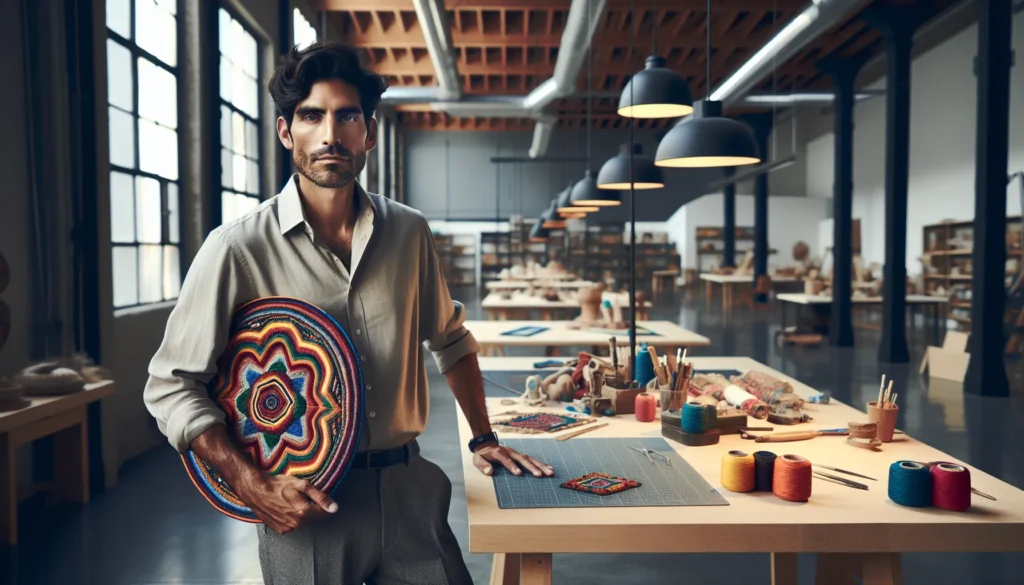
Welcome to the intriguing realm of Haiikurti. If you’ve ever wondered what this term means or why it’s capturing the interest of so many, you’re in for a treat, think of us as your guides through this cultural adventure. Embracing curiosity is our specialty, so let’s discover the origins, creativity, and artistic applications of Haiikurti together. Just when you thought you knew everything there is to know about cultural crafts, here comes a topic that’s bound to surprise you. Let’s immerse.
haiikurti
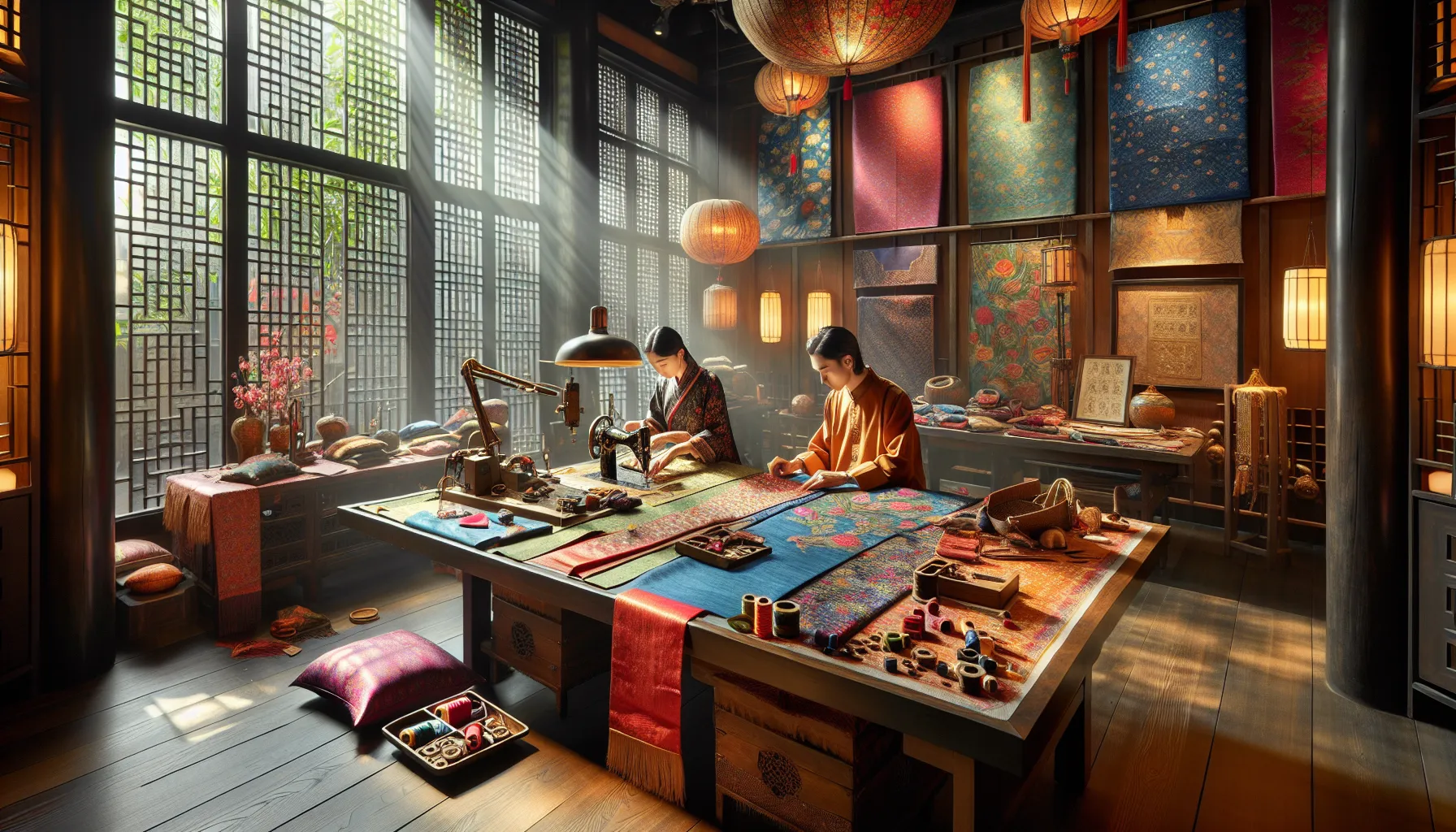
Haiikurti is a fascinating subject with roots that date back centuries. Our journey into the origins of Haiikurti reveals a rich tapestry woven from traditions, cultural exchanges, and the evolution of practices across various communities. Initially, historians believe it emerged as a way for artists to express their identities, reflecting the values of the time. In many regions, this artisanal skill was passed down through generations, preserving not just a technique but a narrative of cultural resilience. Perhaps what intrigues us most is how this artform is not static: it evolves while remaining grounded in its foundational roots.
Cultural Significance Of Haiikurti
As we explore the cultural significance of Haiikurti, we find it’s much more than just an art form, it’s a vibrant expression of community identity and heritage. Across various cultures, Haiikurti continues to play a vital role in festivities and rituals, often symbolizing hope, unity, and continuity. For instance, in certain regions, it serves as an emblem of social cohesion, bringing people together for collaborative projects. Every piece created often tells a story, revealing unique cultural narratives. By appreciating these narratives, we not only honor the craft but also the communities that nurture it.
How To Create Haiikurti
Creating Haiikurti combines traditional techniques with innovative flair, allowing us to connect deeply with this art form while personalizing it for our modern sensibilities.
Traditional Techniques And Materials
Often, artisans employ natural materials such as clay, wood, and textiles in their works. These materials are hand-selected for their aesthetic and functional properties. Traditional techniques, including weaving, carving, and painting, have been handed down through generations, embodying timeless wisdom and craft. When we engage with these methods, we are not only crafting art: we’re participating in a cultural dialogue that spans time and geography.
Modern Variations And Innovations
On the flip side, we also see fascinating modern variations. Artists today integrate contemporary materials like recycled plastics and digital elements, transforming the traditional craft. By doing so, they breathe new life into Haiikurti, ensuring it resonates with newer generations. This blend of old and new encourages experimentation, pushing boundaries while retaining the essence of cultural relevance.
Applications Of Haiikurti In Art And Design

Haiikurti finds diverse applications across various artistic disciplines. In fashion, for instance, elements of this craft have been adapted into unique garments, showcasing intricate patterns and colors inspired by traditional designs. In architecture, we can observe the incorporation of Haiikurti motifs in modern buildings, bridging historical significance with contemporary aesthetics. Also, digital artists use Haiikurti as a source of inspiration, creating stunning artworks that reflect its timeless beauty. It’s remarkable to think about how these applications contribute to the ongoing conversation around cultural heritage and innovation.