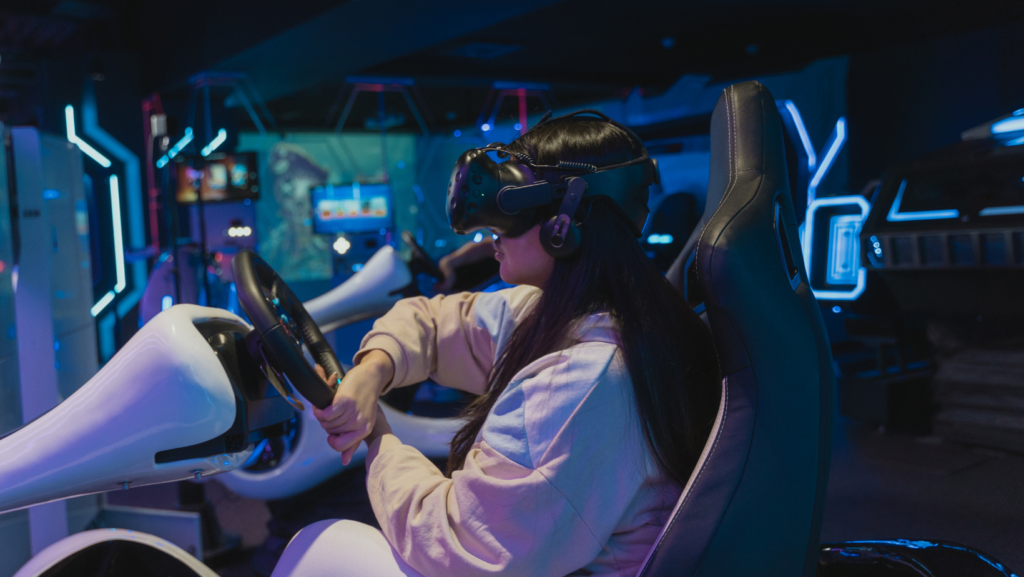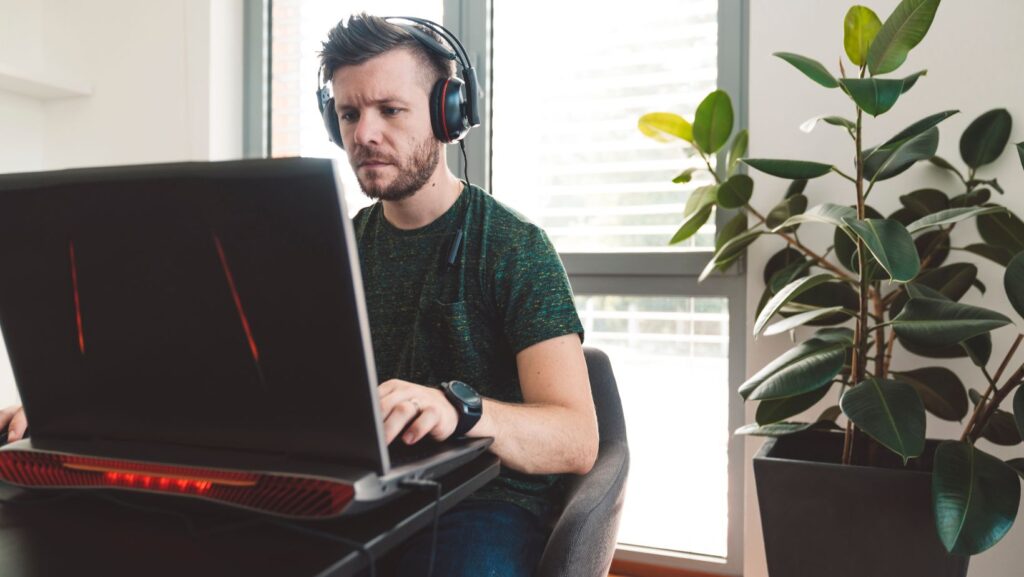
Gaming has long moved beyond the stereotype of being an activity exclusively for children or teenagers. In the early days, video games were often marketed as toys or simple distractions, which contributed to the perception that they lacked depth or long-term value. Today, however, millions of adults around the world actively engage in gaming as a primary way to relax, socialize, and mentally recharge after demanding days. This shift reflects broader changes in technology, culture, and how people choose to spend their leisure time.
With the rise of powerful digital platforms, online communities, and a wide range of game genres, gaming has become a flexible and accessible form of modern recreation. Adults can choose experiences that match their mood, from calm simulation games to intense competitive matches. For individuals facing daily stress from work, family responsibilities, financial pressures, and constant information overload, games often provide a structured and engaging escape. Unlike passive entertainment, gaming invites participation and focus, helping players temporarily disconnect from routine concerns. This article explores why gaming has secured its place as a legitimate and valuable leisure activity for adults in today’s digital society.
The Evolution of Gaming in Adult Life
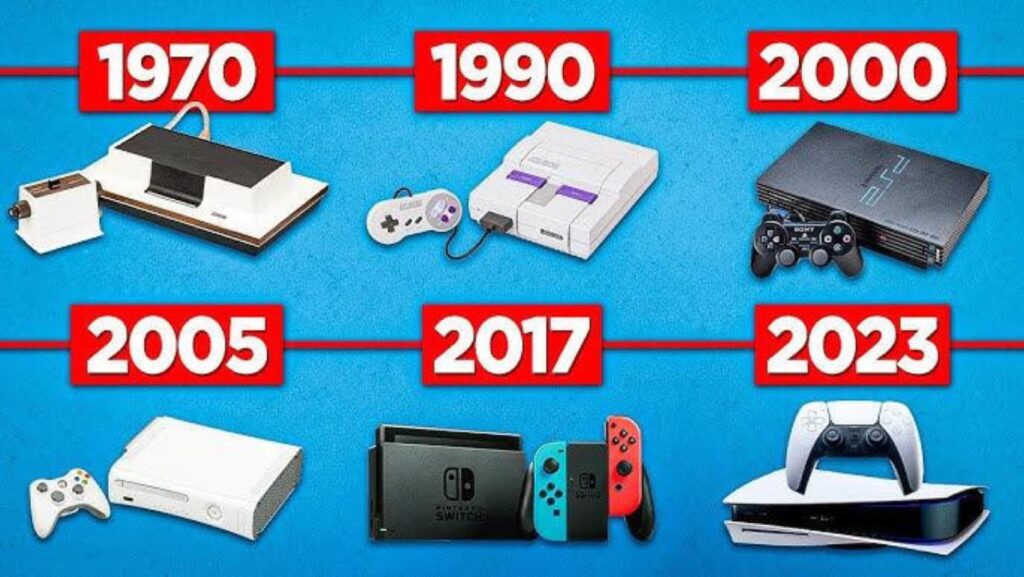
Over the past two decades, the gaming industry has undergone a major transformation in both scale and perception. Early games were often simple, short, and targeted primarily at younger audiences, with limited narratives and repetitive mechanics. In contrast, modern titles offer complex storytelling, strategic depth, and immersive worlds that appeal strongly to mature players who seek meaningful experiences. High production values, professional voice acting, and cinematic presentation have further elevated games to the level of other respected entertainment mediums.
Adults now make up a significant share of the global gaming audience, driven by improved technology, widespread internet access, and the normalization of gaming culture. Consoles, PCs, and mobile devices allow people to play anywhere and at any time, removing many traditional barriers to entry. As gaming became more accessible, it also became more socially acceptable, no longer seen as an unusual hobby for grown adults.
Many adults who grew up playing games have simply continued the hobby into later stages of life, viewing it as a natural extension of their interests. At the same time, entirely new players discover gaming as a stress-relief tool or a way to stay mentally active in a digital world. Platforms that aggregate gaming news, esports coverage, and analytical content, such as egamersworld, help adult players stay informed about industry trends, competitive scenes, and new releases while remaining connected to the broader gaming ecosystem. These platforms also help bridge the gap between casual play and deeper engagement with gaming culture.
Gaming also fits naturally into adult schedules and lifestyles. Unlike traditional recreational activities that require travel, equipment, or fixed group coordination, gaming can be enjoyed in short sessions at home. Whether it is a quick match after work or a longer session on weekends, this flexibility makes gaming particularly attractive for professionals, parents, and individuals with limited free time who still want meaningful relaxation.
Mental and Emotional Benefits of Gaming
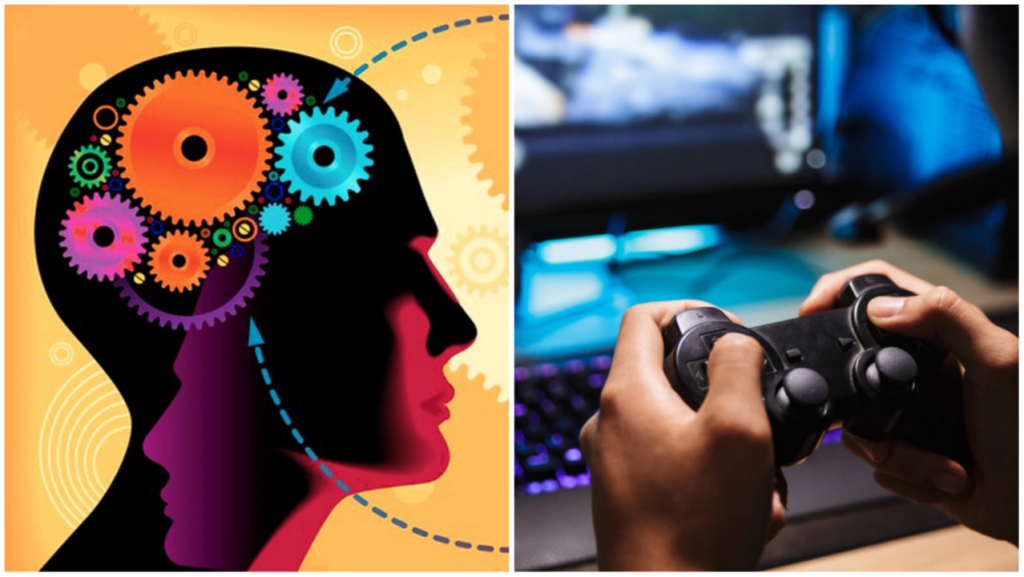
One of the key reasons gaming resonates with adults is its positive impact on mental well-being when practiced in moderation. Games provide clear goals, structured challenges, and immediate feedback systems, all of which can be deeply satisfying after a demanding day filled with uncertainty or slow progress. Completing objectives or overcoming obstacles in a game often creates a sense of achievement that contrasts sharply with the delayed rewards common in professional or personal life.
Gaming can also act as a healthy distraction from stress and anxiety. Immersive gameplay allows players to temporarily shift focus away from daily worries, helping the mind reset and recover. Story-driven games offer emotional engagement and narrative depth, while logic and strategy games stimulate problem-solving skills and concentration. These cognitive benefits make gaming more than passive entertainment; it becomes an active mental exercise that engages memory, attention, and decision-making.
For many adults, gaming also supports emotional regulation and resilience. Competitive games teach players how to manage frustration, cope with failure, and remain focused under pressure. Cooperative games, on the other hand, encourage communication, empathy, and teamwork. Over time, these experiences can positively influence emotional responses and behavior outside the virtual environment, contributing to greater self-awareness and patience in everyday situations.
Social Interaction and Community Building
Contrary to outdated assumptions that portray gaming as isolating, modern gaming is highly social. Online multiplayer games, cooperative modes, and esports communities allow adults to interact with others who share similar interests, regardless of geographical location. This social aspect is particularly valuable for individuals who may have limited free time, work remotely, or lack regular opportunities for in-person socialization.
Gaming communities often function as informal support networks where players exchange strategies, discuss updates, and celebrate achievements together. Voice chat, guild systems, and online forums help build long-term connections that extend beyond a single game or session. For adults balancing busy schedules, these digital spaces provide a sense of belonging without demanding rigid commitments.
Esports and competitive gaming further strengthen this sense of community and shared identity. Watching tournaments, following teams, and discussing matches adds a spectator dimension that mirrors traditional sports culture. Fans analyze performances, debate strategies, and support their favorite players, reinforcing gaming as a socially accepted and engaging recreational activity rather than a solitary pastime.
Gaming as a Tool for Personal Development
Beyond entertainment, gaming can play a meaningful role in personal development. Many games require strategic thinking, time management, adaptability, and quick decision-making, skills that are directly transferable to professional and personal life. Simulation and management games, for example, encourage long-term planning and resource allocation, while action and competitive games improve reaction time and situational awareness.
Adults often choose games that align with their personal goals, interests, or intellectual curiosity. Educational games, historical simulations, and creative sandbox environments allow players to learn new concepts while relaxing. This combination of productivity and enjoyment makes gaming a unique form of recreation compared to more passive media consumption such as watching television or scrolling through social networks.
Additionally, gaming can support lifelong learning and cognitive flexibility. Keeping up with new mechanics, balance changes, and evolving strategies requires continuous adaptation. This ongoing challenge helps maintain mental sharpness and curiosity as players age. For many adults, the need to learn, improve, and refine skills is a central part of gaming’s long-term appeal.
Balancing Gaming with Adult Responsibilities
While gaming offers many benefits, balance remains essential for maintaining a healthy lifestyle. Responsible gaming involves setting clear boundaries and ensuring that playtime does not interfere with work, physical health, relationships, or sleep. Most adults approach gaming as a scheduled recreational activity rather than an uncontrolled habit, integrating it into their routines with intention.
Modern tools make balance easier to maintain than ever before. Time tracking features, session reminders, and flexible game design allow players to enjoy meaningful experiences without excessive time investment. Many games are designed with short sessions in mind, respecting the limited availability of adult players. When integrated thoughtfully into daily routines, gaming complements other forms of recreation rather than replacing them.
Viewing gaming as one component of a balanced lifestyle helps remove lingering stigma and promotes mindful engagement. Just like reading, watching films, or exercising, gaming becomes most valuable when it supports overall well-being and personal satisfaction rather than becoming a source of stress.
Conclusion
Gaming has firmly established itself as a modern and legitimate form of recreation for adults. It offers mental stimulation, emotional relief, social connection, and opportunities for personal growth, all within a flexible and accessible format that fits contemporary lifestyles. As gaming culture continues to mature and diversify, its role in adult life becomes increasingly normalized and appreciated.
When approached with balance and intention, gaming is not an escape from reality, but a meaningful way to recharge, connect with others, and engage creatively with the digital world. For many adults, it is not just a hobby, but a sustainable and rewarding form of modern recreation.