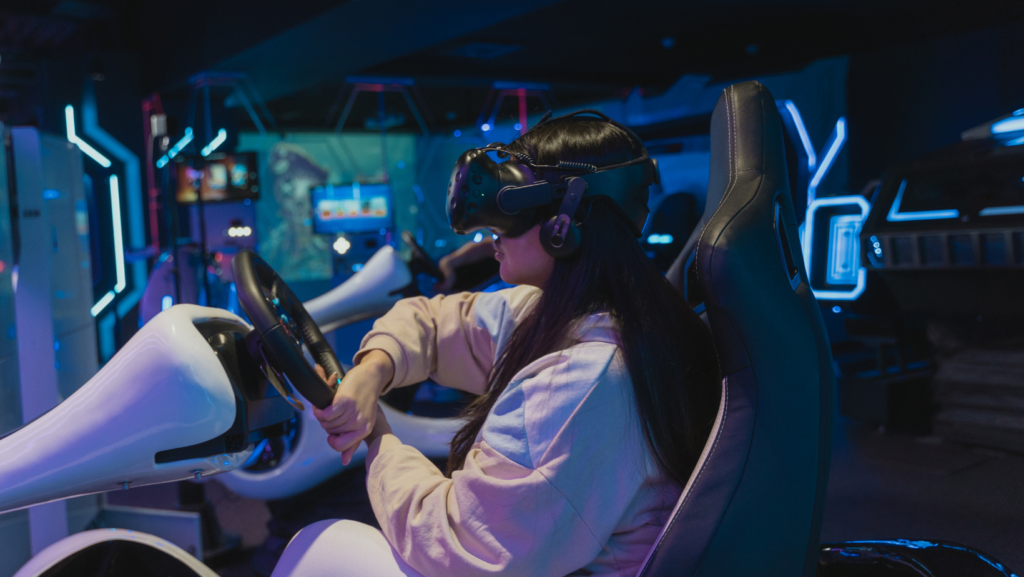
Gamers today are more skilled, strategic, and adaptable than ever but real life requires its own set of abilities that go far beyond reaction time and precision aiming. As young players transition into adulthood, there are core life skills that help them thrive both in-game and IRL. Even something practical like knowing where to find First Aid Canadian Red Cross courses can be part of building a stronger, more confident version of yourself. While gaming teaches problem-solving, teamwork, resilience, and multitasking, merging those strengths with real-world skills helps players become even more capable, independent adults.
1. Time Management The Ultimate IRL Cooldown Mastery
Gamers understand cooldowns, energy bars, and resource allocation better than anyone. Translating that knowledge into time management is a major win.
Adult life demands:
- Prioritizing tasks
- Balancing school, work, and play
- Setting healthy boundaries with screen time
- Avoiding procrastination
Think of your day like an RPG, assigning skill points to school, sleep, hobbies, fitness, and gaming helps create a balanced life. A well-managed schedule gives you more freedom, not less.
2. Financial Basics Understanding Gold, Credits, and Actual Money
If you can manage loot, gear upgrades, and in-game currency, you can manage real finances too. But the stakes outside the game are higher.
Essential financial skills include:
- Budgeting (like allocating skill points into categories)
- Tracking expenses
- Understanding credit scores
- Saving for emergencies
- Avoiding impulse spending (yes, even on skins and loot boxes)
Learning money management early builds long-term stability and independence.
3. Communication & Social Skills Beyond Voice Chat
Gaming cultures often revolve around teamwork, guilds, Discord chats, and cooperative missions. While those interactions teach valuable communication skills, expanding them into real-world situations is essential.
This means:
- Reading social cues
- Communicating respectfully
- Navigating disagreements offline
- Asking for help when needed
- Building supportive friendships
Good communication makes workplaces, relationships, and daily life smoother just as it does in a ranked match.
4. Problem-Solving in Real Life Not Just in Puzzle Games
Gamers excel at analyzing problems and testing solutions. But real life doesn’t come with walkthroughs or respawns.
Before adulthood, practice problem-solving in:
- Daily responsibilities (cooking, cleaning, organizing)
- Managing conflicts
- Troubleshooting personal or academic challenges
- Making decisions without panic
Developing these skills will help you adapt when life throws unexpected obstacles just like a sudden boss phase change.
5. Emotional Regulation Staying Calm in Rage-Triggering Moments
Tilt is real. Everyone who plays competitive games has felt it. But controlling that emotional reaction is a powerful life skill.
Emotional regulation includes:
- Managing frustration
- Pausing before reacting
- Handling stress without burnout
- Staying motivated after setbacks
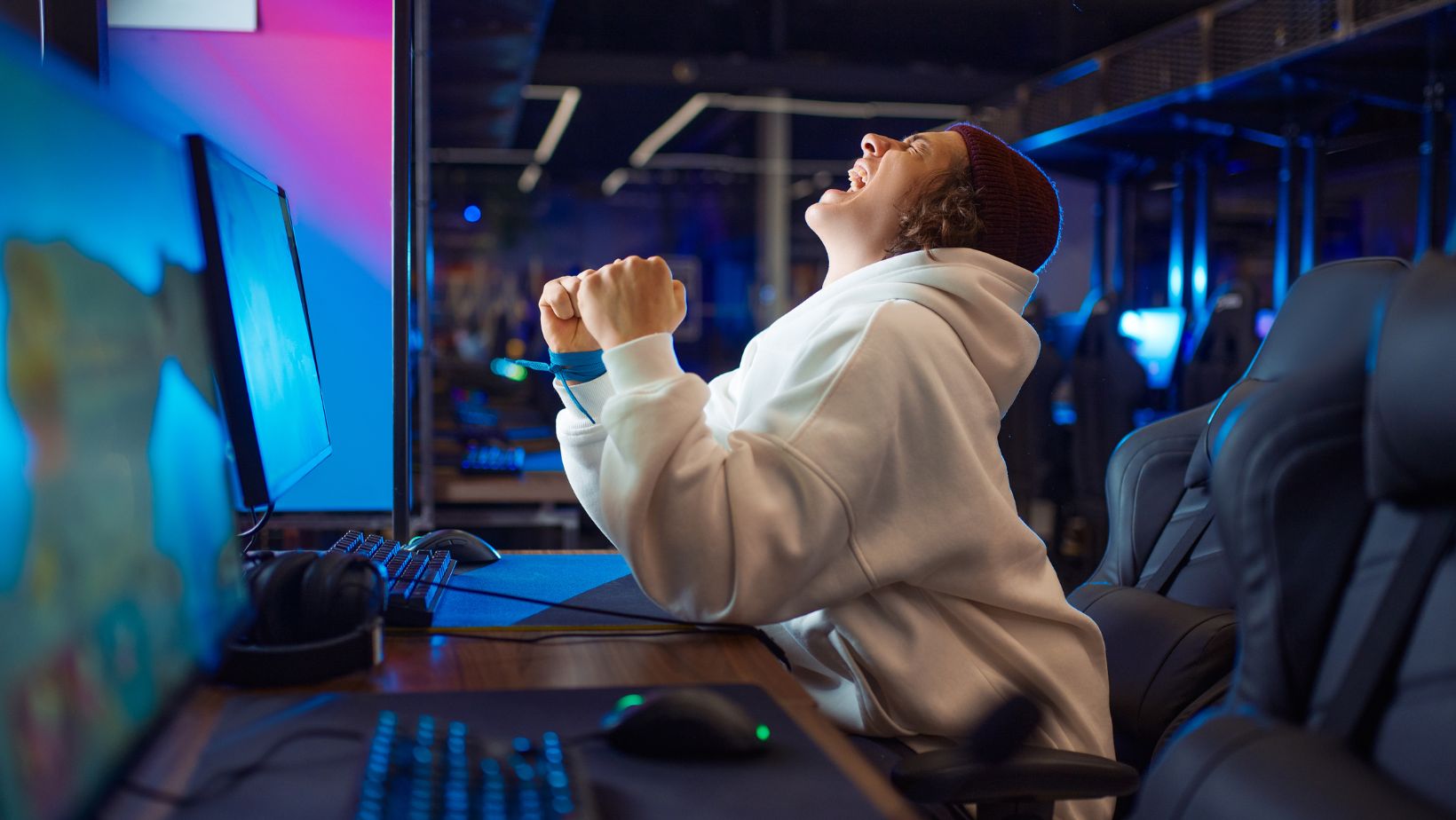
Life has its own versions of losing streaks. Being able to handle them with composure is key to adulthood.
6. Digital Literacy & Safety Protecting Yourself Online
Gamers spend a lot of time online, which makes digital safety a must-know life skill.
This includes:
- Protecting personal information
- Recognizing scams
- Avoiding unsafe downloads
- Understanding privacy settings
- Maintaining respectful online behavior
- Balancing digital life with physical well-being
Being smart about your digital footprint protects your identity, reputation, and safety.
7. Basic Home & Health Skills Because IRL Survival Isn’t a Game
You don’t need to be a master chef or a fitness guru, but you do need basic self-care and home management skills.
Important areas:
- Cooking simple meals
- Doing laundry
- Cleaning and organizing
- Grocery shopping
- Understanding basic personal health
- Learning essential safety skills (like First Aid Canadian Red Cross courses)
These everyday skills make you more independent and capable, no NPCs needed.
8. Adaptability Life Patches Come Without Patch Notes
Games update often with new metas, balance changes, and new chapters. Life is no different.
Adaptability means:
- Staying open to change
- Learning new skills quickly
- Adjusting plans when needed
- Embracing challenges instead of avoiding them
Adaptability turns unexpected changes into opportunities instead of obstacles.
Final Thoughts
Gaming builds incredible strengths strategic thinking, creativity, teamwork, resilience—but adulthood requires additional real-world abilities to thrive. By blending gaming-honed skills with practical life skills, young players grow into confident, capable adults ready for whatever comes next.
Master these essential skills now, and you’ll navigate life with the same confidence you bring to every mission, every match, and every new challenge.