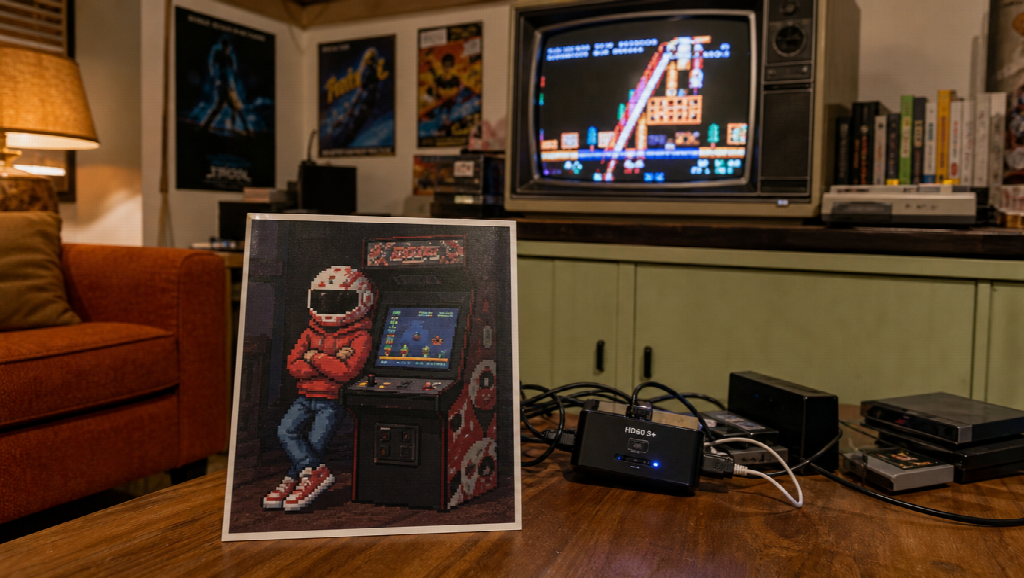
Retro channels still win on YouTube, Twitch, and TikTok because the look is honest: chunky pixels, cabinet glass, a soundtrack that sounds like a mall in 1993. The production trick most people reach for next is a filter. CRT overlay. VHS wobble. A palette crunch that makes a 2026 capture look “period.”
That overlay is makeup. It does not give you a cold open, a lore cutscene, a mascot sting, or a merch beat that still looks like your channel. Capture-card footage is the A-roll. The gap is original motion that can sit next to Mega Drive sprites without looking like a stock city drone.
This is not another five-year forecast. It is a practical split: a short audiovisual punch for the first five to fifteen seconds, and a directed 15–30 second beat when the story needs a walk, a hold, and a readable end card.
Capture footage is not a channel identity
Gameplay remains the product. Viewers come for the run, the glitch, the boss that finally dies. What they skip is the generic intro: a logo slam, a royalty-free whoosh, a face that does not match last week’s thumbnail.
AI video is useful here only if you treat it like B-roll with rules:
- Original-inspired worlds, not a prompt that names a protected mascot and hopes the model “remembers Mario.”
- A kit — cabinet photo, original pixel hero, one outfit, one room — so the second clip is the same show.
- Two durations, because a five-second cartridge click and a twenty-second town walk are different jobs.
If you only generate silent eight-second orphans and stitch them under chiptune, you will manufacture drift at every cut. Hairlines change. The backpack grows a zipper. The “arcade” becomes a different building. That is the same identity failure other creators hit with product ads, just wearing a scanline.
Job 1: the short punch with sound in the clip
 A retro channel lives on hits: the title card, the “new episode” bumper, a boss silhouette, a merch drop, a subscribe sting. Those pieces need picture and sound together. A mute plate plus a later SFX pass is how the zap lands a frame late.
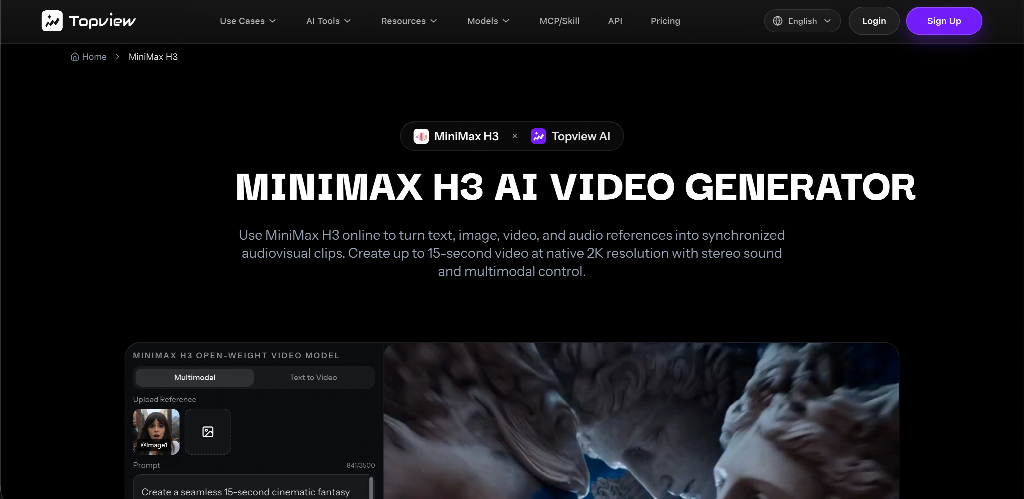
MiniMax H3 is a multimodal video model for that short envelope: text plus image, video, and audio references, native stereo audiovisual output, clips in the roughly 5–15 second class at up to 2K on hosted generators. On a gaming desk it maps to:
- A CRT power-on that actually ticks
- A cartridge insert with a mechanical click, then a logo hold
- A 10-second mascot turn that keeps the same helmet
- A merch pack-shot of a shirt or enamel pin you already photographed
Feed it the stills you own. Write the brief like a director, not a vibe: “0–3s cabinet glass, 3–8s original pixel hero three-quarter, 8–12s logo hold, same red hoodie, no new badges.” If you have a recorded whoosh or a legal chiptune bed, attach it as audio reference so the model is not inventing a second soundtrack.
This is not a full Let’s Play. It is the unit you drop at 0:00 and at the mid-roll bumper.
Job 2: the 15–30 second lore beat
 Intros, fake “broadcast” wraparounds, and original lore need a continuous pass. Five stitched punches will disagree about the streetlights.
Seedance 2.5 is a multimodal AI video model for coherent clips up to about thirty seconds from text plus image, video, and audio references, with timing and storyboard-friendly direction. Use it when the beat has geography:
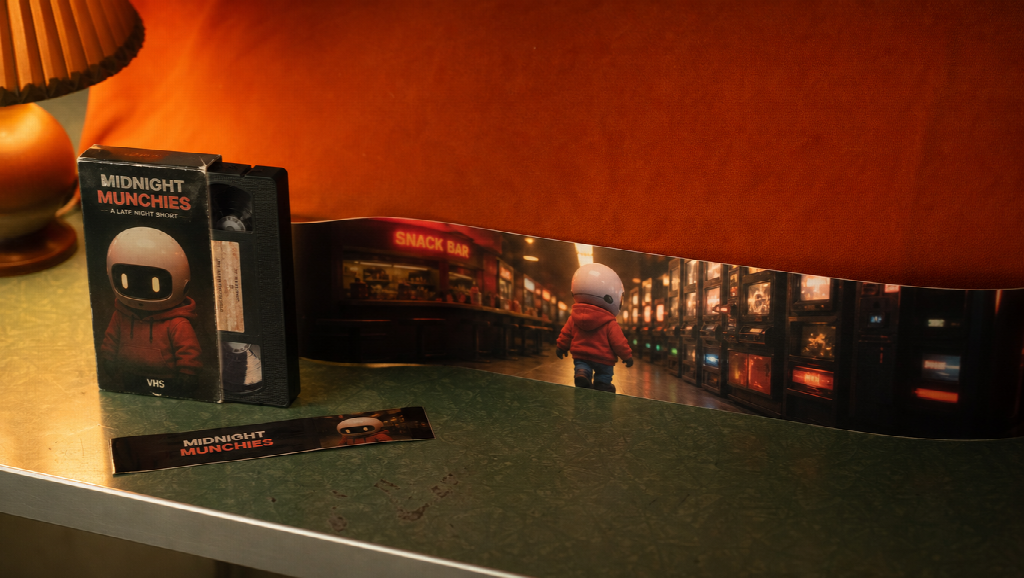
- A walk from the neon snack bar to the cabinet row
- A 20-second “news from the pixel kingdom” cold open
- A founder-serial style sit-down that still matches the channel mascot
- An end-slate long enough for a URL overlay
Write second ranges. Lock the same hero still you used in the punch. Review identity before “cinematic.” If second eighteen grows a new collar, fix the kit. Do not buy a higher adjective.
Seedance 2.5 and MiniMax H3 are both models. They are not rival platforms. One holds a longer directed story beat. One ships a short AV hit. A finished episode can use both in the same timeline: H3 for the sting, Seedance for the town walk, capture card for the actual run.
 A kit that survives Thursday
You do not need a feature-film art department. You need enough views that a new angle is not a guess.
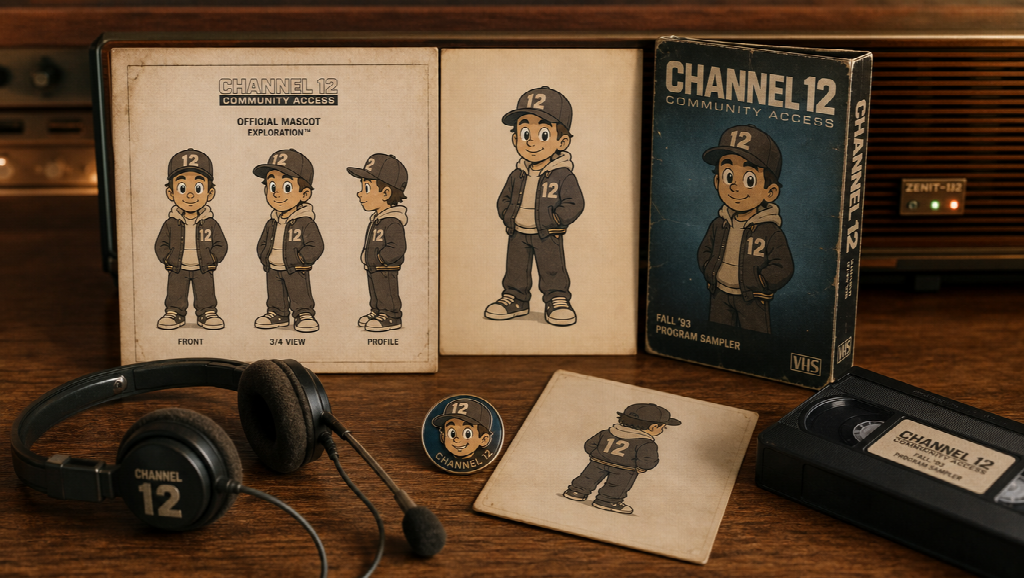
- Front, three-quarter, and one profile of your original mascot
- Full-body in the default “channel” costume
- One location still you will reuse (your desk, a photographed cabinet, a pixel town you designed)
- Props the camera must recognize again (headset, enamel pin, fake VHS sleeve)
Same files in both generators. Two haircuts in one folder is an argument the model will settle badly.
Stay on the safe side of IP. Generate inspired-by 8-bit and 16-bit grammar — chunky pixels, limited palettes, scanline atmosphere — from assets you drew or photographed. Do not ask a model to reprint a first-party character so you can monetize the clip.
How to run a retro pass without a studio
- Board the job. Sting, lore, or merch. One primary job per generate.
- Write the identity line plus negatives (no extra logos, no modern smartphones in a 1992 street).
- Generate the punch when you need 5–15 seconds and native hits.
- Generate the beat when you need a 15–30 second walk and hold.
- Cut against real gameplay. AI B-roll that never returns to a capture looks like a trailer for a game that does not exist.
If a close-up fails, add a tighter face still and reroll that interval. If episode two fails, you skipped the kit, not the “right filter pack.”
 What this is not
It is not a replacement for playing the game. Restoration tools, palette cleaners, and VHS overlays still have a place on archival footage. Mid-level creators do not need to automate every transition. They need original motion that matches the channel’s face, then a timeline that still respects the run.
The next five years of retro video will not be won by whoever finds the most accurate scanline shader. They will be won by channels that can ship a mascot who comes back, a cold open that sounds like a cabinet, and a lore beat that does not fall apart at second eighteen.
That is a stack: short AV punches on MiniMax H3, longer directed scenes on Seedance 2.5, and the capture card where it belongs — in the middle, proving you actually played.