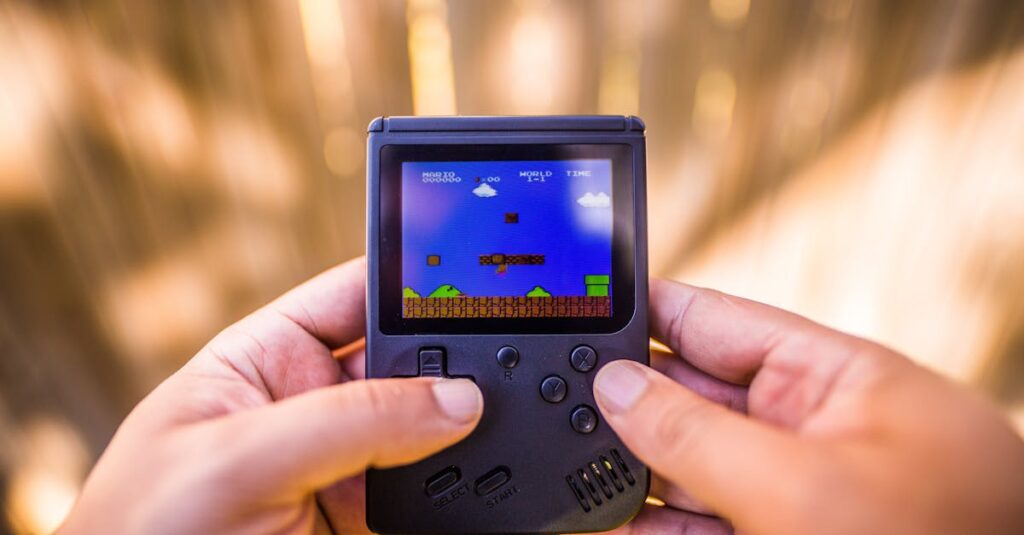
Picture this: It’s 1992. You’re hunched over a chunky Game Boy, squinting at the greenish screen, thumbs aching, heart pounding as you try to beat that impossible Tetris level. The batteries are dying, but you can’t stop. If you’ve ever felt that rush, you know why retro gaming handhelds still matter. They’re not just plastic and pixels—they’re time machines, packed with memories, mistakes, and the thrill of discovery.
Why Retro Gaming Handhelds Still Capture Us
Retro gaming handhelds aren’t just for collectors or nostalgia junkies. They’re for anyone who wants to feel the pure, unfiltered joy of gaming—no updates, no microtransactions, just you and the game. If you’ve ever felt overwhelmed by modern consoles, you’re not alone. Retro handhelds offer a break from the noise. They remind us of a time when games were simple, but never easy.
The First Time I Dropped My Game Boy
I’ll never forget the panic when my Game Boy slipped from my hands and clattered onto the kitchen floor. I thought it was done for. But it survived, with only a new scratch to show for it. That’s the thing about retro gaming handhelds—they’re tough. They were built for backpacks, road trips, and the occasional butterfingers moment. If you’ve ever worried about breaking your Switch, you’ll appreciate the old-school durability.
The Golden Age: Game Boy, Game Gear, and Beyond
Let’s break it down. The late ‘80s and ‘90s gave us the Game Boy, Sega Game Gear, Atari Lynx, and Neo Geo Pocket. Each had its quirks. The Game Boy’s screen was hard to see in the dark, but the battery life was legendary. The Game Gear had color, but chewed through six AA batteries in hours. The Lynx was huge, but boasted a backlit screen. These details mattered. They shaped how we played, where we played, and what we remember.
- Game Boy: Launched in 1989, sold over 118 million units. Tetris, Pokémon, and Zelda defined a generation.
- Game Gear: Sega’s answer to Nintendo, with a color screen and a library of arcade ports.
- Atari Lynx: First handheld with a backlit color display, but too bulky for most pockets.
- Neo Geo Pocket: Cult favorite, known for its clicky joystick and fighting games.
Here’s the part nobody tells you: The quirks made these devices lovable. The Game Boy’s dim screen forced you to play near a lamp. The Game Gear’s battery hunger taught you to carry spares. These weren’t flaws—they were part of the adventure.
Modern Retro Gaming Handhelds: Old School Meets New Tech
Today, retro gaming handhelds are everywhere. Some are official re-releases, like the Game Boy Micro or Analogue Pocket. Others are emulation devices, like the Anbernic RG351 or Miyoo Mini. If you’ve ever scrolled through endless options on Amazon, you know the feeling—excitement mixed with confusion. Which one is right for you?
Who Should Buy a Retro Gaming Handheld?
If you want to relive childhood favorites, or discover classics you missed, retro gaming handhelds are for you. They’re also perfect for commuters, parents, or anyone who wants quick, satisfying play sessions. But if you crave the latest graphics or online multiplayer, you might get bored fast. Retro handhelds are about simplicity, not spectacle.
What to Look For
- Screen quality: Modern screens are brighter and sharper, but some purists prefer the original look.
- Battery life: Rechargeable batteries are standard now, but check reviews for real-world performance.
- Game library: Some devices play original cartridges, others use ROMs. Make sure you own the games you play—piracy isn’t cool.
- Build quality: Cheap plastics break. Look for solid construction and responsive buttons.
Here’s a lesson I learned the hard way: Don’t buy the cheapest option. I once picked up a knockoff handheld for $30. The buttons stuck, the screen flickered, and it died after a week. Sometimes, you really do get what you pay for.
The Emotional Pull: Why We Keep Coming Back
Retro gaming handhelds aren’t just about the games. They’re about the moments—waiting for the school bus, hiding under the covers with a flashlight, trading Pokémon with friends. These memories stick because they’re tied to real feelings: excitement, frustration, triumph. If you’ve ever blown into a cartridge, you know the ritual. It’s silly, but it worked (sometimes).
There’s also a sense of accomplishment. Beating a tough level without save states or hints felt huge. You learned patience, persistence, and maybe a few new curse words. Modern games can feel endless, but retro handhelds gave you clear goals and real payoffs.
Tips for Getting Started with Retro Gaming Handhelds
Ready to jump in? Here’s what I wish I knew when I started collecting retro gaming handhelds:
- Start small: Pick one device and a handful of games. Don’t try to collect everything at once.
- Buy from trusted sellers: eBay, local game shops, or reputable online stores are safer bets than random websites.
- Check for mods: Many old handhelds can be upgraded with better screens or rechargeable batteries. It’s worth the investment.
- Join a community: Reddit, Discord, and forums are full of people who love retro gaming handhelds. You’ll find tips, deals, and maybe a few new friends.
If you’ve ever felt lost in the world of retro gaming handhelds, you’re not alone. The choices can be overwhelming, but that’s part of the fun. Every device has a story, and every scratch or sticker tells you where it’s been.
Final Thoughts: The Real Value of Retro Gaming Handhelds
Retro gaming handhelds aren’t just gadgets. They’re memory machines, stress relievers, and conversation starters. They remind us that fun doesn’t need to be complicated. If you’re looking for a way to reconnect with your past—or just want a break from the endless scroll—pick up a retro handheld. You might be surprised by how much joy fits in your pocket.
So, what’s your story? Which retro gaming handheld changed your life? If you’ve ever felt the thrill of beating a tough boss on a tiny screen, you’re part of a club that spans generations. And that’s something worth celebrating.