Beyond Gaming: Exploring New Social and Cultural Activities Online
Many participants in gaming communities venture beyond play, developing new interests that reshape their digital lives. Artistic channels within Discord servers host digital art battles, music collaborations, and creative writing workshops. Esports clubs run virtual courses on streaming, casting, or game development, opening professional doors.
Not all exploration stays within traditional boundaries. Some community members periodically pursue overlapping interests—learning languages, participating in virtual book clubs, or discovering adult-oriented services, like escort luxembourg, unveiling aspects of online interaction not usually discussed in the mainstream. This blending of passion and curiosity illustrates how gaming networks are now springboards for diverse social and cultural discoveries.
The Rise of Online Gaming Communities
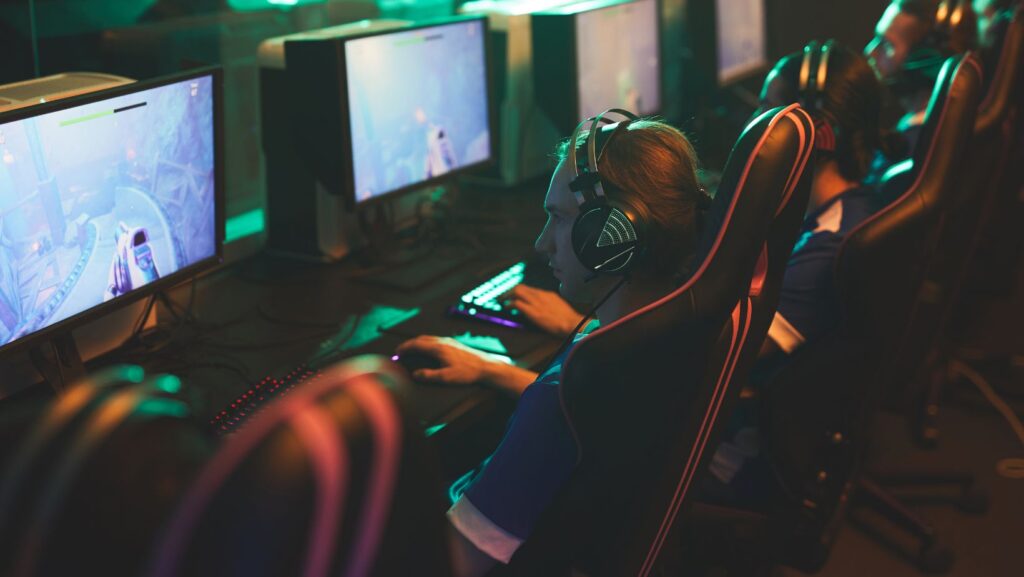
By the mid-2000s, internet infrastructure had matured enough to support persistent multiplayer environments. This shift enabled gamers to move from local couch co-op to extensive networks of peers worldwide. Early hubs like GameFAQs, IRC channels, and dedicated forums laid the groundwork for what would become enormous social spaces.
Today, forums like NeoGAF and ResetEra offer detailed discussions, while social networks such as Reddit’s r/gaming see millions of users sharing guides, news, and memes daily. Discord servers emerged as flexible homes for tight-knit groups—supporting voice, text, and even video—for everything from strategy analysis to friendly matches. Each type of community serves distinct needs: forums excel at archiving knowledge, social media thrives on rapid trends, and Discord encourages real-time collaboration.
For many, these communities have grown into both resource centers and “virtual homes,” breaking geographical barriers and making global connection possible.
Tools and Platforms for Discovering New Gaming Experiences
The variety of tools available for finding fresh entertainment has never been greater. Streaming services like Twitch and YouTube Gaming let users discover titles by watching influencers or competitive play, making it easy to spot emerging genres or trends. Many gamers rely on Reddit threads to uncover indie gems, while YouTube’s algorithm surfaces hidden masterpieces through “Let’s Play” videos and recommendations.
Specialized aggregators like Steam Curator lists, Itch.io collections, and Metacritic rankings act as compasses, pointing to unusual or highly rated games. Gaming blogs such as Kotaku and Rock Paper Shotgun regularly feature “discoveries” that would be hard to find independently.
For those searching for unique in-game activities, Discord bots, multiplayer event trackers, and even cross-game calendar integrations make scheduling and exploration seamless. Together, these tools ensure that even the most niche interests find their audience.
Social Interaction and Collaborative Exploration
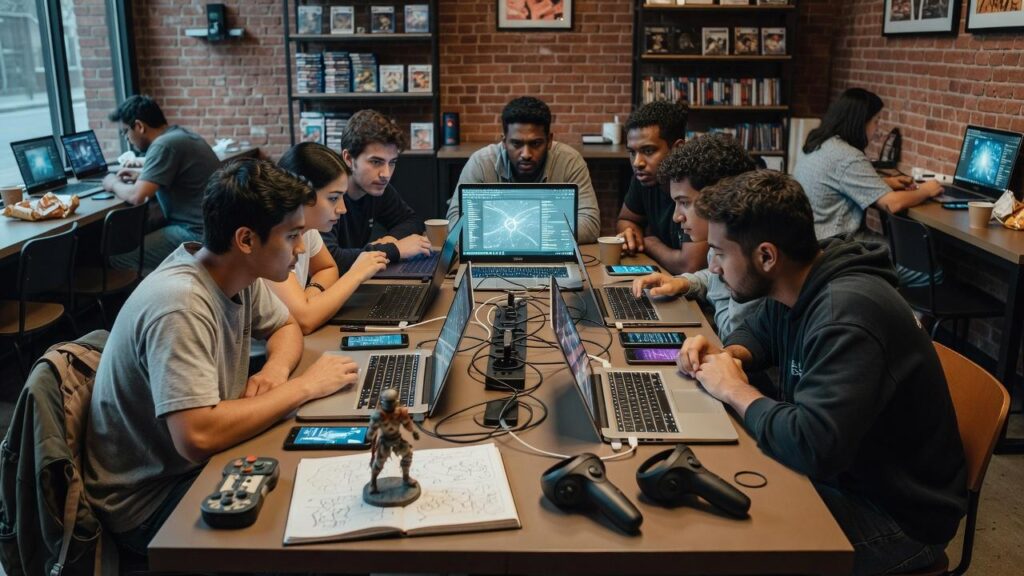
Collaboration sits at the core of online gaming culture. Real progress often happens in cooperative campaigns, where strangers unite to defeat a challenging boss or complete a speedrun. Minecraft Realms, Destiny fireteams, and Grand Theft Auto Online crews demonstrate how collective effort turns obstacles into shared memories.
Communities regularly create their own content—launching unofficial tournaments, crafting mini-games, and inventing original challenges that later spread beyond their circle. Initiatives like “No-Hit” Dark Souls challenges or custom map-building competitions mobilize thousands and become traditions.
Beyond play, social features—public voice chats, party finders, and event boards—help coordinate meetups and virtual festivals. The yearly “Games Done Quick” event, for example, rallies gamers worldwide to race through games for charity, blending technical skill with collective enthusiasm.
Challenges and Opportunities in the Modern Digital Era
Yet, navigating these communities isn’t without issues. Cybersecurity remains a persistent concern, as phishing schemes and malware can proliferate in poorly moderated groups. Toxic behavior—trolling, harassment, or exclusion—undermines the welcoming spirit of many forums and Discord servers. Moderation teams, AI content filters, and strict user guidelines are necessary, but not always sufficient, to maintain healthy environments.
At the same time, the potential benefits keep expanding. Online gaming communities routinely foster multilingual collaborations, support mental health by reducing loneliness, and enable global friendships unconstrained by geography. Joint charity events, developer Q&As, and mentorship programs create pathways for members to grow creatively or launch careers in content creation or esports.
The evolution of technology—faster internet, real-time translation, and virtual reality—also increases the range and depth of connections, letting players of any age discover new passions or even pivot to new professions.
Case Studies: Real Stories from Gaming Communities
Concrete examples highlight the transformative power of these spaces. In 2023, a Destiny 2 clan formed an international “raid school” on Discord, connecting experienced players with newcomers and building friendships across five continents. On Reddit’s r/IndieDev, a solo developer found his testers, artists, and later a publisher—demonstrating how a casual post can launch a game.
Streamers like Valkyrae credit their careers to early collaborations and grassroots support found in Twitch communities. Meanwhile, the “Games Done Quick” speedrunning marathon originated from a handful of forum enthusiasts and has since generated over $41 million for charity.
For every headline story, thousands of quieter successes emerge: from a shy teenager finding a creative outlet in digital art communities to lifelong partnerships formed through shared love of retro games. Each example underscores a core truth—online gaming communities are more than social spaces. They are launchpads for exploration, collaboration, and personal growth.