
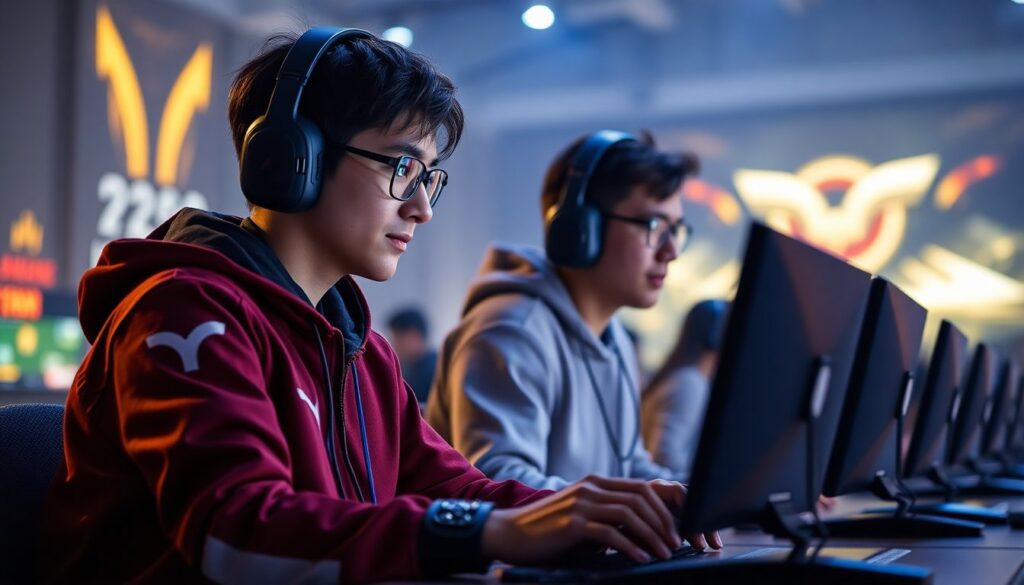
The impact of esports unfgaming appears across tournaments, teams, and training. It changes how players practice, how coaches select talent, and how fans watch matches. It shifts career timelines and sponsorship deals. The industry reacts to faster trends and new metrics. This article explains key shifts in skills, money flows, and social effects in clear terms.
Key Takeaways
- Esports unfgaming prioritizes adaptable player skills, leading teams to recruit flexible, multi-role players who earn pro contracts earlier.
- Training now uses new metrics and modular drills to improve players’ adaptability across games and roles, accelerating skill development.
- Career paths in esports diversify with players encouraged to build broad skill sets and multi-game exposure for greater employability and stable earnings.
- Esports organizations and sponsors shift budgets to support cross-game training, hybrid events, and multi-title marketing, increasing revenue and audience reach.
- Teams employ generalists for mixed rosters and adopt new roles like adaptation coaches, reflecting changing labor market demands in esports.
- Health and social dynamics adjust with expanded mental health support and fan communities forming around players’ brands rather than single games, enhancing engagement.
How Unfgaming Is Redefining Player Skills And Professional Pathways
Teams now recruit for unfgaming skills more than for single-game mastery. Scouts look for flexible decision-making and rapid role switches. Players who adapt quickly earn roster spots. Coaches set practice drills that force role swaps and unpredictable scenarios. Organizations change talent pipelines to favor multi-role juniors over single-role veterans. Players report shorter apprenticeship periods. They earn pro contracts earlier when they show adaptive play.
Unfgaming changes training tools. Analysts use new metrics that measure adaptability, response time, and situational awareness. Data teams build dashboards that show how a player performs when game rules or strategies change. Players use these dashboards to target weak areas. Trainers set up modular drills that isolate a single variable and then change it. This method speeds skill transfer between games and positions.
Unfgaming shifts career risks and benefits. Players face more frequent role changes. They must learn new technologies and rule sets faster. Some players thrive. Others burn out. Teams now offer skill insurance and shorter trial contracts to reduce risk. Esports academies add cross-game curricula. Young players learn fundamentals that apply across genres, such as spatial reasoning, communication clarity, and timed decision-making. This build improves long-term employability for players.
The impact of esports unfgaming extends to career planning. Agents advise clients to diversify their brand and skill set. Players stream a wider range of games to show versatility. Sponsorship deals reward multi-game exposure. As a result, players earn income from multiple scenes, which stabilizes earnings if one title declines.
Economic And Industry Effects: Teams, Sponsors, And Tournament Ecosystems
The impact of esports unfgaming changes team budgets and sponsor priorities. Teams allocate money to cross-training facilities and analytics rather than to a single game division. Sponsors fund hybrid events that mix titles. Brands measure reach by cross-title impressions rather than by single-title viewership. Tournament organizers create mixed-format events to attract broader audiences. These events sell bundled media rights and command higher package prices.
Sponsorship models adapt. Brands prefer flexible partnerships that cover multiple games and multiple content types. Sponsors ask for guaranteed exposure across tournaments, streams, and short-form clips. Marketing teams track cross-platform metrics such as unique viewers across titles and engagement by cohort. This shift increases day-one activation pressure on marketing teams. It also rewards creators who can produce consistent, multi-game content.
Revenue streams diversify. Teams monetize merchandise across fanbases and sell mixed-event tickets. Streaming platforms add multi-feed features that let viewers switch titles in a single channel. Advertisers buy flexible inventory to place short ads across streams. As a result, revenue per viewer rises for platforms that support multi-title packages. Smaller tournaments also gain value by pairing with larger events, which drives attendance and sponsorship interest.
Labor markets change. Support staff such as analysts, coaches, and content creators now work across titles. Organizations hire generalists who can manage mixed rosters. Salary structures shift to reward cross-domain competence. This shift creates new roles like adaptation coaches and multi-title performance managers. It also forces vocational programs to update curricula to include broad skills such as cross-game strategy, injury prevention for different control schemes, and mental resilience training.
Social, Health, And Cultural Consequences — And What Comes Next
The impact of esports unfgaming changes social dynamics in teams and fan communities. Fans follow players rather than single titles more often. This behavior builds stronger personal brands. Communities form around personalities and playstyle rather than around a single game. Fans consume highlight reels from different titles and discuss player choices in forums and social feeds.
Health practices change. Players face varied physical demands from different control schemes. Teams adopt mixed training that balances wrist care, posture, and cardio. Mental health support expands to address faster change and identity shifts when players move between scenes. Organizations add routine check-ins and rotation schedules to reduce burnout. These steps lower dropout rates and help players maintain longer careers.
Culture adapts as well. Tournaments now celebrate adaptability with dedicated awards and recognition for multi-title excellence. Broadcasters teach audiences new rules quickly with clear visuals and short explainer segments. This approach helps casual viewers stay engaged and reduces friction for new fans. Content creators make cross-title tutorials and beginner guides that reduce the barrier to entry for emerging audiences.
What comes next looks like more fluid competition and stronger player brands. Leagues will test hybrid formats and rank players on adaptability as well as win rate. Teams will invest in staff who can translate skills across titles. Sponsors will favor deals that reward audience breadth and sustained engagement. Viewers will get richer, more varied event experiences, and players will gain more stable career paths.