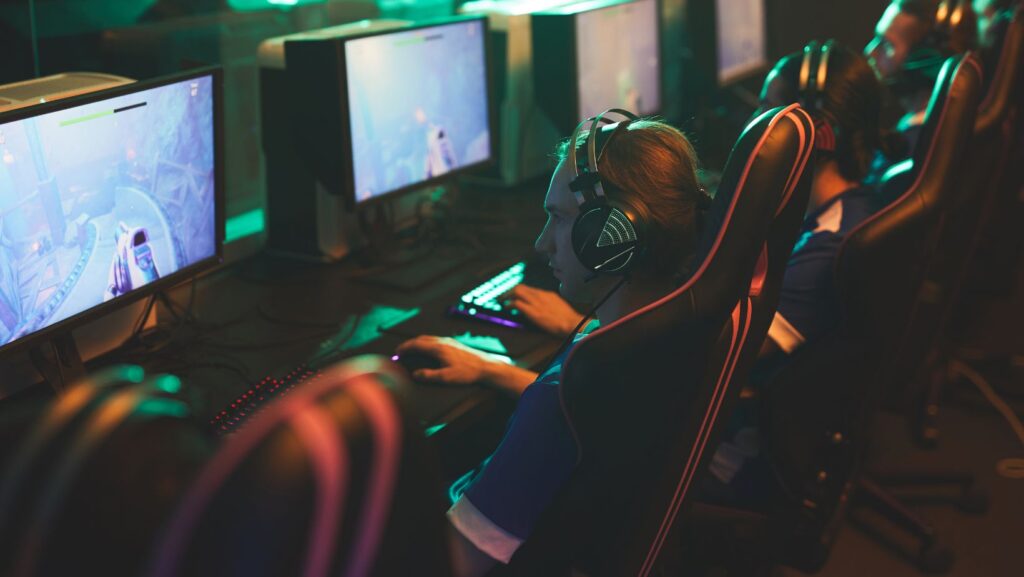
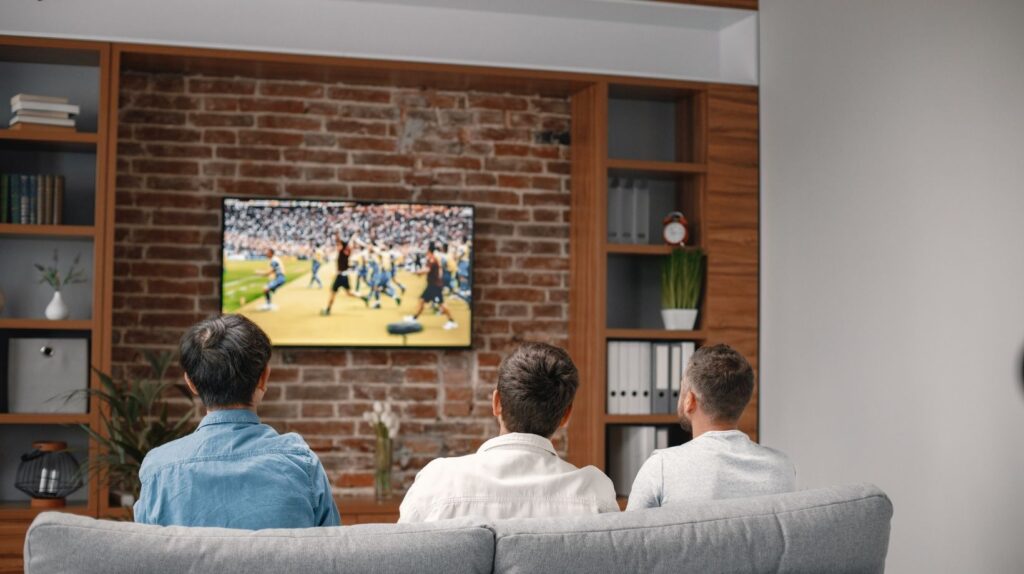
For years, the games industry has talked about the “future of gaming” as if it was one dramatic thing waiting to arrive. A new console. A bigger blockbuster. A cloud service that would supposedly change everything overnight. It never really worked like that.
The real change has been quieter. Players have stopped treating gaming as something that only happens in front of a television. They play on the sofa, in bed, on handheld PCs, on the Switch 2, on phones, through subscriptions, through remote play, and sometimes across three different screens in the same week. That is why 2026 feels important. It is not only a big year for releases. It is the year gaming becomes harder to pin down.
The old question was simple: what console do you play on? In 2026, that question feels out of date. A player might start a game on PC, continue it on a handheld, check progress on mobile and watch someone else play it on Twitch before going back in themselves. Even entertainment habits outside traditional gaming have shifted, with some players moving between streaming apps, mobile games, social platforms and a new online casino in the same evening. The competition now is not just PlayStation against Xbox or Nintendo against PC. It is every screen fighting for attention.
Handheld Gaming Is No Longer a Side Option
Handheld gaming used to mean compromise. Smaller screen, weaker hardware, shorter sessions and games that felt separate from the main console experience. That is no longer true.
The Switch changed the shape of the market, and the newer wave of handheld PCs pushed it further. Steam Deck, ROG Ally-style devices and cloud-ready handhelds have made it normal to play full-scale games away from a desk or TV. The Switch 2 only strengthens that idea because Nintendo understands something many companies are still learning: convenience is not a bonus feature. It is a reason people buy.
That matters in 2026 because players are more protective of their time. Not everyone can sit for four hours in front of a console. A lot of people want games that fit around work, travel, family, commuting or late-night quiet time. A game that works well in shorter sessions suddenly has an advantage.
Developers need to think about that. Long cutscenes, slow opening hours and save systems built for old habits can make a modern game feel awkward. The best 2026 releases will not just look good on a handheld. They will respect how people actually use one.
Subscriptions Are Useful, but They Have Lost Their Magic Trick
Game subscriptions are not new anymore. Players understand the deal. They like having access to a large library, but they also know that not every game in that library is worth their time.
That makes 2026 a more difficult year for subscription platforms. It is no longer enough to say, “Look how many games you get.” The better question is, “How many of them do people actually want to play?”
This is where the industry has to be careful. Subscription services can help smaller games find an audience, but they can also make games feel disposable. When players have too much choice, they sometimes give a title ten minutes before moving on. That is a tough environment for anything slow, strange or hard to explain.
The winners will be games with a clear identity. A messy menu full of content is less powerful than one game that immediately tells you what it is. Players are not short of options. They are short of patience.
Big Games Still Matter, but Smaller Games Can Move Faster
The biggest releases of 2026 will still dominate headlines. That has not changed. Grand Theft Auto VI, major console exclusives and the usual annual sports titles will pull huge numbers because big names still have power.
But the more interesting fight may happen underneath them.
Smaller and mid-sized games are in a better position to react to how people actually play now. They can build around shorter sessions. They can take creative risks without needing to please every possible audience. They can launch on PC and handheld-friendly platforms without waiting for the old console cycle to decide everything.
That does not mean every indie game will break through. Discoverability is brutal. Digital stores are crowded, and players miss good games every week. But when a smaller game does connect, it can travel quickly. Clips spread. Streamers pick it up. Discord groups build around it. Suddenly a game without a giant campaign can feel more alive than a release with a massive advertising budget.
That is one of the healthiest things about gaming in 2026. Expensive does not automatically mean exciting.
Cloud Gaming Still Has Something to Prove
Cloud gaming has been promised as the next big thing for years, but players have become more realistic about it. They know it can be useful. They also know it can be frustrating.
The idea is strong. Play a high-end game without owning high-end hardware. Move between devices. Avoid huge downloads. For some players, especially those without a powerful console or PC, that is genuinely useful.
But the experience still has to feel good. Input delay, unstable connections and blurry image quality can ruin a game faster than any weak story mission. Cloud gaming works best when the player forgets it is cloud gaming. That is still not guaranteed for everyone.
In 2026, cloud gaming’s role may be less dramatic than once promised. It probably will not replace consoles. It probably will not make local hardware irrelevant. But it can become part of the wider habit. Try a game before downloading it. Continue a save while away from home. Play something demanding on a device that could not run it normally.
That is a more realistic future, and maybe a better one.
Players Are Tired of Being Treated Like Data
There is another reason 2026 feels different. Players have become more aware of when a game is designed around engagement rather than enjoyment.
Daily tasks, battle passes, login rewards, rotating shops and limited-time events can all work when they fit naturally. But when every game starts asking for constant attention, the whole thing becomes exhausting. Players do not want every hobby to feel like homework.
This could be where some of the biggest live-service games begin to struggle. People still enjoy online worlds, competitive seasons and shared events. But they are less patient with games that seem built to keep them busy rather than entertained.
The games that win loyalty in 2026 will be the ones that understand when to let players leave. That sounds strange, but it is true. A game that respects time often earns more trust than one that keeps dragging people back with fear of missing out.
The Future of Gaming Looks Less Like One Future
The most interesting part of 2026 is that gaming is no longer moving in one straight line.
Some players want huge cinematic releases. Some want handheld comfort. Some want competitive shooters. Some want cosy games. Some want strange indie experiments. Some want subscriptions. Some want to buy one game and actually own it. None of these groups are wrong.
That is why the industry needs to stop chasing one perfect answer. The future is not only cloud gaming. It is not only subscriptions. It is not only blockbuster sequels. It is not only handheld devices. It is all of them, fighting for space in the same messy, crowded, exciting market.
The studios that understand that will do well. The ones still building games as if everyone plays the same way may find 2026 harder than expected.
Gaming is not leaving the living room completely. It is just refusing to stay there.