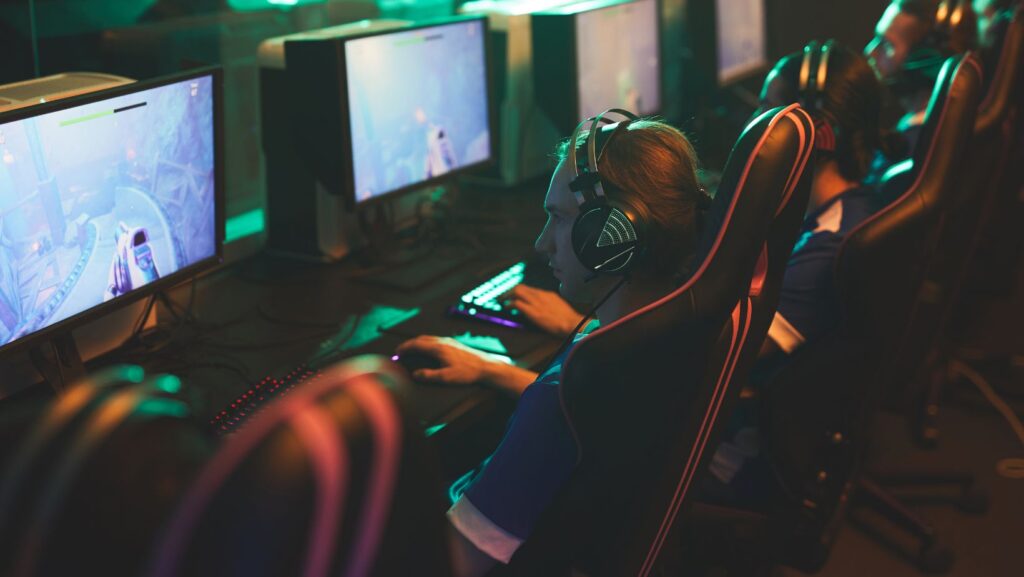

Gaming was once seen mainly as a private hobby: something people did after school, after work, or during free time at home. A player could spend hours exploring a single-player world, improving their aim in a shooter, or learning combos in a fighting game without ever joining a wider community. Today, that picture has changed completely. Esports has transformed gaming from a casual pastime into a shared competitive culture where players, fans, teams, and creators build active communities around the games they love.
One of the biggest reasons for this shift is accessibility. In traditional sports, joining a competitive environment often requires a local club, physical space, equipment, and scheduled training. In gaming, the first step is much easier. A player can enter ranked mode, join a Discord server, watch a tournament stream, or take part in a small online competition from home. This low barrier has helped casual gamers move naturally from playing for fun to becoming part of organized competitive spaces.
From solo play to team identity
Modern multiplayer games encourage communication and teamwork. Whether it is a tactical shooter, MOBA, battle royale, sports simulation, or fighting game, players quickly learn that individual skill is only one part of success. Strategy, timing, map knowledge, role understanding, and communication often matter just as much.
This creates a sense of team identity. Casual players begin forming squads, clans, guilds, or amateur teams. They develop regular practice routines, assign roles, analyze mistakes, and celebrate progress together. Even when players are not aiming to become professionals, esports-style competition gives them a reason to stay connected and improve as a group.
Why fans treat Esports like traditional sports
Esports has also changed the way people watch games. Many fans now follow professional teams and players the same way others follow football, basketball, or Formula 1. They track tournament results, discuss roster changes, watch highlights, and debate strategies after major matches. As the scene matures, enthusiasts are increasingly using data-driven tools and value bet software to analyze match odds and performance metrics, further bridging the gap between gaming and professional sports analytics.
This fan culture makes gaming feel bigger than the match itself. A viewer may start by watching a favorite streamer, then discover a professional team, join a fan community, and eventually become interested in the competitive scene of an entire game. The International Olympic Committee has also recognized the growth of virtual and esports competition through initiatives such as the Olympic Esports Series and Olympic Esports Games, showing how seriously competitive gaming is now being considered on a global stage.
Streamers and creators as community builders
Content creators play a major role in connecting casual players with esports. Streamers explain tactics, react to tournaments, interview players, and make competitive gaming easier to understand. For many newcomers, a creator is the first bridge between casual play and serious competition.
A beginner may not understand advanced strategies at first, but a good creator can make them clear and entertaining. This helps more players feel welcome. Instead of esports looking like a closed world for elite players only, it becomes something anyone can follow, learn from, and discuss.
The rise of amateur competition
Another important development is the growth of grassroots esports. Small online tournaments, school clubs, university leagues, and community events give regular players a chance to experience competition without needing to be professionals.
These amateur spaces are essential because they make esports feel local and personal. Players do not only watch famous teams; they also compete with friends, represent communities, and build their own stories. Organizations such as the British Esports Federation also support the development of esports through education, student programs, and community initiatives, helping competitive gaming grow beyond the professional level.
How Esports improves player habits
Competitive gaming can also change how people approach improvement. Casual players often play without structure, but esports encourages review and discipline. Players start watching replays, learning maps, practicing mechanics, studying opponents, and improving communication.
This does not mean every gamer needs to become highly competitive. However, esports gives players a framework for growth. It turns “just playing” into a process of learning, testing, adapting, and improving.
The future of gaming communities
As esports continues to grow, the line between casual gaming and competitive gaming will become even thinner. More games now include ranked systems, seasonal events, spectator modes, community tournaments, and creator-driven competitions. These features help players move from simple participation to deeper involvement.
The future of esports is not only about packed arenas and million-dollar tournaments. It is also about everyday gamers finding teammates, joining communities, improving their skills, and feeling part of something larger than the game itself.
Conclusion
Esports has changed gaming culture by turning casual players into active community members. It gives gamers reasons to connect, compete, learn, and support each other. Whether someone is playing in a small amateur tournament, watching a championship final, or joining a team with friends, esports creates shared experiences that go far beyond the screen.
Gaming is no longer only about playing alone. Thanks to esports, it has become a global culture of competition, teamwork, and community.